


Ever wondered why some places feel more welcoming than others? It’s often because of light control. Too much sunlight can make it hard to relax, focus, or watch movies. That’s where opaque fabric comes in.
Welcome to our guide on blockout textiles! These special materials fight glare and too much light. They’re key for the right mood. Whether you’re setting up a cozy bedroom, boosting office productivity, or planning an event, knowing when to use them is vital.
In this article, we’ll dive into the science behind these fabrics and their uses. By the end, you’ll know how to use opaque fabric to make your space comfy and stylish.
Key Takeaways
- Opaque fabrics are essential for controlling light and boosting privacy.
- They greatly improve comfort in homes and offices.
- Knowing the science behind them helps in making smart choices.
- They’re used in home decor and event planning.
- Using them well can make a space look better.
What is Blockout Textile?
Blockout textiles are special fabrics that block all light. They are made to keep an area dark, perfect for many uses.
These fabrics do more than just look good. Blockout textiles are made to block all light. They have a special process that stops light from getting through, unlike regular fabrics.
Definition and Purpose
Blockout textiles are usually made of 100% polyester, without PVC. They have a special coating on the back, like black or grey. This coating makes them very dark.
Imagine a light-proof layer attached to a fabric. This turns a simple window covering into a tool for controlling light.
How It Differs from Regular Fabric
Regular fabrics let light through because of their weave. Blockout textiles, on the other hand, have a tight weave and special coatings. This means they block almost all light, unlike regular fabrics.
In short, blockout textiles are different because of their special design. They are key for controlling light well.
Benefits of Using Blockout Textiles
Blockout textiles can greatly improve your living space. They do more than block light. They add comfort and function to your home.
Energy Efficiency
Blockout textiles are great for saving energy. Their necaurspīdīga auduma pārklājums keeps your room cool in summer. It also keeps it warm in winter, saving on heating costs.
Light Control
These textiles are also good at controlling light. They’re perfect for people who work at night or need a dark room. They help you sleep better and relax more.
Privacy Benefits
Privacy is key in any home. Blockout textiles block light and keep outsiders from seeing in. You can enjoy your home’s lights without worrying about being seen.
| Benefit | Description | Impact |
|---|---|---|
| Energy Efficiency | Reflects solar heat in summer; insulates in winter | Lower energy bills |
| Light Control | Blocks light for better sleep and viewing | Improved comfort and relaxation |
| Privacy | Prevents outside visibility | Enhanced security and peace of mind |
Common Applications of Blockout Textiles
Blockout textiles are used in many ways, from window treatments to theatrical backdrops. These light blocking fabrics are both functional and stylish. They are a favorite choice in many settings.
Window Treatments
Blockout textiles are most commonly used in window treatments. People choose curtains and drapes made from these fabrics for privacy and light control. They are great for bedrooms and living rooms, creating a cozy feel by blocking sunlight.
Theater and Stage Fabrics
In the entertainment world, blockout textiles are key. They are mainly used for theater and stage needs. These fabrics ensure complete blackouts between scenes, making transitions smooth. They also control stage lighting, providing clear, glare-free visuals during shows.
Home Decor
Light blocking fabrics are also used in home decor. They are not just for windows. These textiles can be used for room dividers, adding both visual and acoustic privacy. They can also be used as stylish wall coverings or linings for decorative pillows or upholstery, preventing fading.
Blockout textiles are also great for professional settings. They are used in exhibition graphics, display systems, and pop-up materials. This ensures visuals stay vibrant and eye-catching. They can be used in roll-up displays in conference halls or DIY headboard projects, among other things.
The Science Behind Blockout Fabrics
Exploring blockout fabrics is quite interesting. These materials, known as necaurspīdīgs materiāls, are made for special uses. Their design is key to their success.
Material Composition
Blockout fabrics usually start with top-notch polyester. They can be either knit or woven. You’ll often see them at 260gsm or 300gsm.
This material choice is important. It makes the fabric both strong and gentle to the touch. This is why it works well for many uses.
What makes these fabrics special is their two-layer design. The front layer is for looks, with bright prints from UV, latex, or dye-sublimation inks. The back layer has a dark, non-sticky, and scratch-resistant coating. This coating is usually black or grey and helps block light well.
How Light Absorption Works
When light hits a blockout fabric, it hits the dark coating on the back. This coating absorbs the light instead of letting it pass through. This is how they block 100% of light, even when they’re thin.
The mix of textile tech and chemical coatings makes these fabrics. They’re not just light-blocking but also soft, bendy, and don’t wrinkle easily. Some even meet strict fire safety rules, like German B1 or US NFPA 701. This makes them good for many places.
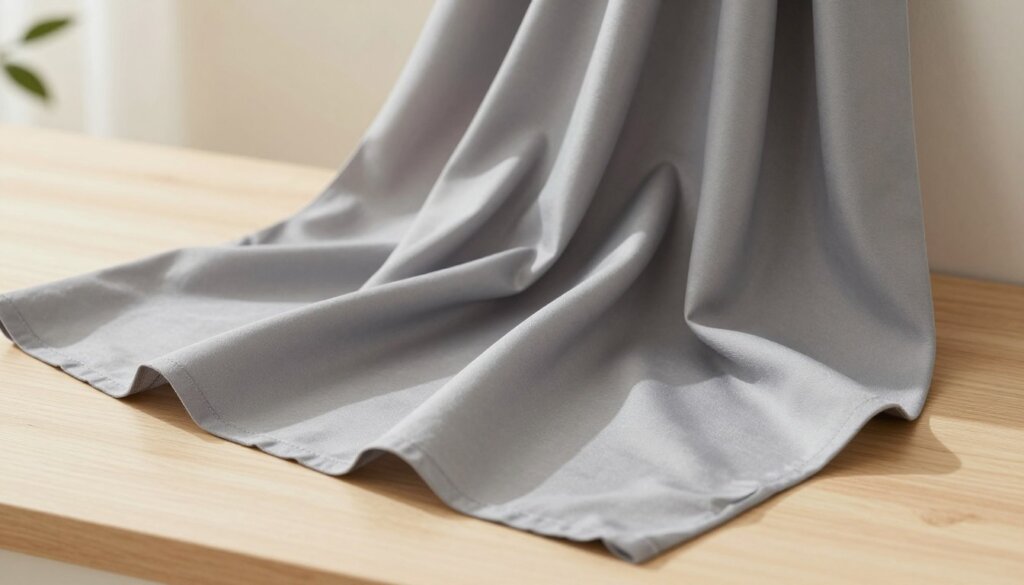
In short, blockout fabrics are a mix of quality materials and smart design. They meet the needs of people who want privacy, control over light, and to save energy.
Choosing the Right Blockout Fabric
Choosing the right blockout fabric can make your space more comfortable and stylish. Whether you need blackout curtains or other fabrics, several factors will help you decide.
Factors to Consider
When picking blockout fabrics, look at important specs:
- Weight: Fabrics are measured in grams per square meter (gsm). A lighter 260gsm is great for portable displays and backdrops. It folds easily and doesn’t wrinkle much. For a more luxurious look, go for heavier options like 300gsm or 380gsm.
- Width: Blockout fabrics can be up to 5.05 meters wide. This makes them perfect for big spaces.
- Backing Color: A black backing blocks light the most. A grey backing is good for lighter face fabrics to reduce dark show-through.
- Fire Rating: Always check the fire rating (B1, NFPA 701) for safety, mainly in commercial settings.
- Features: Look for fabrics that resist wrinkles and are soft. These are key for folded shipments.
Texture and Patterns
The texture and patterns of blockout fabrics greatly affect their look and function. The face side can be smooth and matte for sharp prints or textured like canvas for a natural feel.
Think about these when picking textures and patterns:
- Matte Finishes: Great for a sleek, modern look.
- Textured Fabrics: Adds depth and interest, perfect for home decor.
- Patterns: Pick patterns that match your decor and control light well.
Your choice should meet both practical needs and style goals. The right fabric does more than block light; it also beautifies your space.
Blockout Textiles for Commercial Use
In the business world, blockout textiles are key for the best environments. They look good and help work better and make customers happy.
In today’s offices, with lots of glass and light, screens get too bright. Motorized blackout drapes can lower when it’s too sunny. This makes work easier and more comfy, helping everyone do better.
Office Spaces
Companies use blockout fabrics to keep their spaces nice and useful. These fabrics help a lot:
- Improved Focus: Less outside light means better focus.
- Enhanced Privacy: They keep things private in open areas.
- Energy Savings: They help control the temperature, saving on bills.
Hospitality Industry
Hotels need blockout textiles to make guests happy. Bad drapes can ruin a stay. Good drapes mean dark, quiet rooms, which guests love.
Blockout fabrics are also great for:
- Conference Centers: They help presentations go smoothly.
- Exhibition Spaces: They’re easy to use and look good at trade shows.
| Application | Benefits | Examples |
|---|---|---|
| Office Spaces | Improved focus, energy savings | Motorized shades, roller blinds |
| Hospitality | Guest satisfaction, privacy | Hotel room drapes, conference curtains |
| Exhibition | Professional appearance, easy maintenance | Trade show backdrops, display systems |
Blockout vs. Blackout: What’s the Difference?
The terms “blockout” and “blackout” can be confusing when talking about light blocking textiles. Both fabrics aim to stop light from getting through. But, they have some key differences.
Similarities
Blockout and blackout textiles both aim to block light. They help with privacy and save energy. People often use these terms the same way when talking about window treatments.
They are good at making areas darker. This is useful for sleep, media rooms, or business settings.
Key Differences
“Blackout” originally meant fabrics with a black backing for total darkness. This term is well-known, mainly for window treatments that block all light.
“Blockout” is a broader term now. It includes fabrics that block light, in colors like black, grey, or white. This is important in business, where blockout fabrics are used for displays and banners.
In short, both types block light, but they serve different purposes. Knowing the difference helps people choose the right fabric for their needs.
| Feature | Blockout Textiles | Blackout Textiles |
|---|---|---|
| Purpose | Blocks light effectively | Creates total darkness |
| Color Options | Various colors available | Typically black backing |
| Common Uses | Commercial displays, window treatments | Home curtains, media rooms |
| Consumer Recognition | Less recognized term | Widely recognized by homeowners |
Customization Options for Blockout Textiles
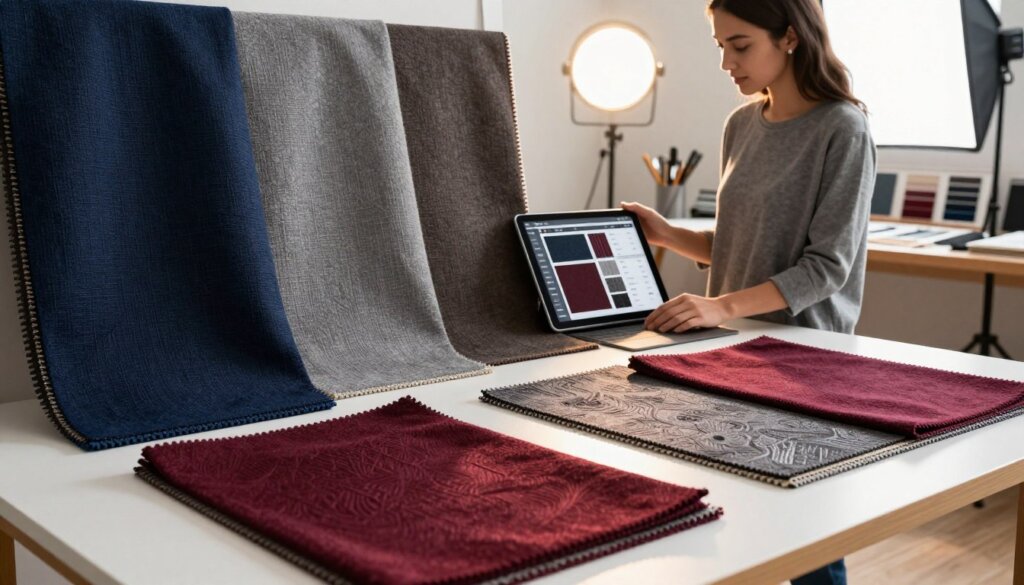
Nowadays, personalizing blockout fabrics is easier than ever. Thanks to modern tech, we can pick from a wide range of colors and patterns. This lets you match your unique style perfectly.
When it comes to color choices, the options are endless. With UV and latex inks, you can print high-quality images, logos, or designs right on the fabric. This creates amazing visual effects that make any space look better.
Also, the size and shape of blockout textiles can be adjusted to meet your needs. Here are some standard roll widths:
| Width Option | Measurement |
|---|---|
| Standard Width | 1.60m (63 inches) |
| Standard Width | 2.60m (102 inches) |
| Standard Width | 3.20m (126 inches) |
| Super-Wide Option | 5.05m (198 inches) |
This flexibility lets you get a continuous piece of fabric. It’s great for big projects or unique shapes. Whether it’s a custom-printed roller shade or drapes for an odd-sized window, blockout fabrics can be made just right for you.
Care Instructions for Blockout Fabrics
Looking after your blockout fabrics is key to their lasting quality and effectiveness. With the right care, these textiles will stay in top shape for many years. Luckily, blockout tekstils are easy to maintain.
The fabric is 100% polyester and has a non-sticky, scratch-resistant back. This means you can handle it without fear of damage. For everyday cleaning, a gentle vacuum with an upholstery attachment works best to remove dust.
Washing Guidelines
For deeper cleaning, you can hand-wash or machine-wash on a cold, delicate cycle. Always check the label first for the best care. Never wring or twist the fabric, as it can damage the opaque backing. Instead, gently squeeze out water and let it drip-dry.
Maintenance Tips
Blockout drapes or displays are wrinkle-resistant and quickly recover from creases. Just hanging them up often fixes any wrinkles. This means you don’t need to iron, which could harm the synthetic fibers. Follow these simple care tips to keep your blockout tekstils looking and working great.
Popular Brands Offer Blockout Textiles
Finding the right necaurspīdīgs audums is easier with top brands. Many manufacturers offer unique fabrics for different needs. This ensures you find the perfect fabric for your project.
Overview of Leading Brands
Several brands are known for their quality and innovation in blockout textiles. Here are some of the most reputable names:
- Brand A: Known for their Black Back Blockout Fabric (BZF291, 260gsm), this brand offers a soft, durable option ideal for seamless backdrops.
- Brand B: Their Soft Grey Back Blockout Fabric (BZF265, 245gsm) is a favorite for those seeking a lighter, versatile fabric.
- Brand C: The Grey Roll Up Fabric (BZF259, 300gsm) provides a robust feel, perfect for high-end drapery and display solutions.
- Brand D: Their Double Sided Blockout Fabric (BZF402, 380gsm) is designed for those needing a heavy-duty option for both sides.
Comparing Product Lines
When comparing product lines, it’s important to look at specifications. Consider the following factors:
- Weight (gsm): Heavier fabrics tend to provide better opacity and durability.
- Backing Color: The backing can influence light absorption and aesthetics.
- Compatible Inks: Ensure the fabric works with your printing method, whether it’s UV, latex, or dye-sublimation.
- Fire Certifications: Safety standards are essential, specially for commercial applications.
Exploring these options, remember to compare these technical details. This will show which fabric is best for your needs. Whether for a portable trade show graphic or a permanent window treatment, the right choice is key.
Cost Considerations
It’s important to know the costs of blockout textiles before you buy. The price can change a lot based on different things. By looking at these factors, you can plan your budget better and find good deals.
Pricing Factors
The main thing that affects the price of blockout fabrics is their quality and how they’re made. For example, a thick, strong woven polyester with extra layers for protection will cost more than a thinner knit fabric. Here are some main things that can change the price:
| Factor | Description | Impact on Cost |
|---|---|---|
| Fabric Type | Woven vs. knit fabrics | Woven fabrics are generally more expensive due to their durability. |
| Width | Standard vs. super-wide rolls | Super-wide rolls (e.g., 5 meters) command a premium due to specialized manufacturing. |
| Customization | Custom printing options | Costs are calculated per square foot, increasing the overall price. |
Is It Worth the Investment?
Yes, it is! Buying blockout textiles is a smart long-term choice. The savings on energy from better insulation can pay off the initial cost over time. Plus, the benefits like better sleep, no glare on screens, and privacy make your life better every day.
In short, you’re not just getting fabric; you’re investing in comfort, better sleep, and a more useful space. By understanding the pricing factors, you can make a choice that fits your needs and budget.
Sustainability of Blockout Textiles
Sustainability is now a big deal in the textile world, including light blocking fabrics. As we all try to be more eco-friendly, makers are coming up with new ideas. They’re making blockout textiles that work well and are good for the planet.
Looking for eco-friendly fabrics? Choose ones that are 100% polyester and don’t have PVC. Old blackout fabrics often had PVC, which is bad for the environment. New blockout textiles use special coatings without PVC, making them better for our planet. These fabrics are also easier to recycle.
Eco-Friendly Options
Opting for 100% polyester light blocking fabrics is a green choice. This material lasts long and can be recycled. Even though recycling programs for clothes are growing, polyester is easier to recycle than other materials. It’s a better choice than fabrics mixed with PVC.
Recycling and Disposal
When picking fabrics, ask about PVC-free options and recycling programs. Programs that take back old fabrics help the environment.
| Fabric Type | Material Composition | Recyclable | Environmental Impact |
|---|---|---|---|
| Traditional Blockout | Polyester + PVC | No | High |
| Modern Blockout | 100% Polyester | Yes | Low |
| Eco-Friendly Blockout | 100% Polyester, PVC-Free | Yes | Minimal |
In short, making blockout textiles sustainable is important for everyone. By picking eco-friendly options, you help protect our planet.
Trends in Blockout Fabric Design
Blockout fabric design is evolving, blending creativity with practicality. These textiles now add to a room’s style, not just block light.
Custom-printed images on blockout fabrics are gaining popularity. Imagine a city skyline or a forest scene on your windows. This trend lets people personalize their spaces with detailed designs, making windows into art.
Current Style Trends
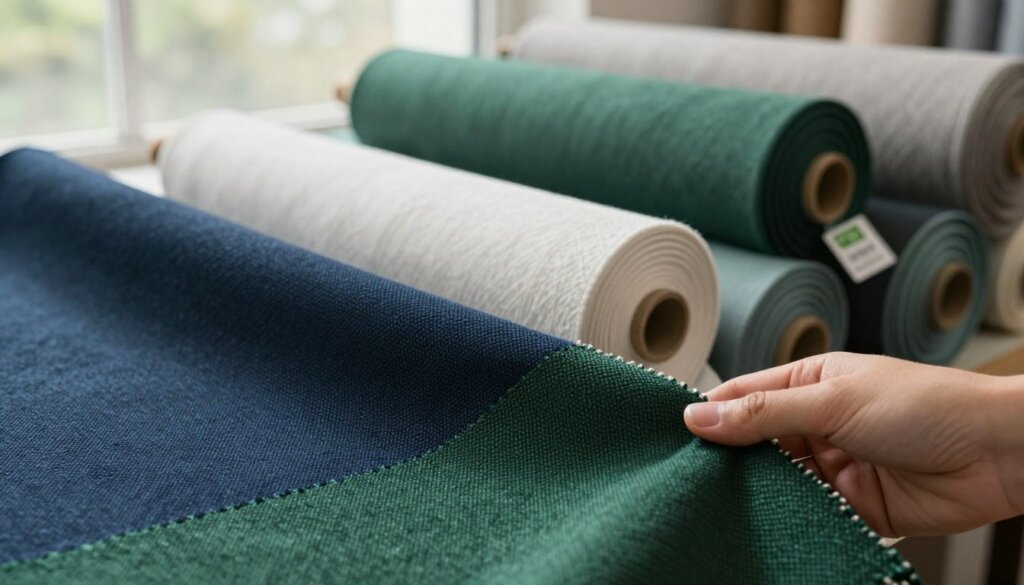
Texture mimicking is another trend. Fabrics now look like expensive materials like linen or silk. They offer the look of natural fibers but are made of synthetic materials. This mix gives a luxurious feel without losing functionality.
| Trend | Description | Benefits |
|---|---|---|
| Custom Imagery | Personalized designs on blockout fabrics | Enhances aesthetics, adds personality |
| Texture Mimicking | Fabrics that look like natural materials | Luxurious feel, functional benefits |
| Smart Integration | Textiles designed for home automation | Convenience, energy efficiency |
Future Directions
Blockout textiles will soon integrate with home automation. This will make homes more convenient and energy-efficient. It’s a step towards making homes smarter and greener.
Also, eco-friendly, bio-based coatings are coming. They will keep fabrics opaque while being kind to the environment. This ensures blockout textiles stay green without losing quality.
“The design of necaurspīdīgs materiāls has exploded, moving beyond solid colors to custom imagery.”
Finding Reliable Suppliers
Finding a trustworthy supplier for blackout curtains is key to your project’s success. The right supplier ensures you get high-quality materials that fit your needs. It’s important to compare online retailers with local shops.
Local shops let you see and feel the fabric before buying. This hands-on experience helps with color matching and supports local businesses. But, for big projects or custom prints, online suppliers might be better. They offer a wide range of fabrics and printing services.
Online vs. Local Retailers
When choosing between online and local suppliers, think about these points:
- Accessibility: Local stores are great for quick purchases and support.
- Variety: Online stores have more products to choose from.
- Customization: Online suppliers often have more personalized options.
Researching Reviews
Before choosing a supplier, research their reviews. Look beyond the star ratings and read what customers say. Focus on:
- Does the fabric block all light?
- Is the back coating durable and non-sticky?
- Did the color print match expectations?
A good supplier usually shows up at big trade shows like FESPA or Sign China. This shows they care about quality and innovation. Feel free to contact them. Ask for a technical data sheet and a sample to check if the fabric is right for you before ordering a lot.
| Supplier Type | Advantages | Disadvantages |
|---|---|---|
| Local Retailers | Hands-on experience, immediate purchase | Limited variety, may lack customization |
| Online Suppliers | Wider selection, customization options | Cannot see fabric before purchase, possible shipping delays |
Customer Testimonials and Feedback
Users share how blackout drapes have changed their lives. Hearing from those who’ve tried them can be very reassuring. Many say they noticed big improvements right after putting them up.
One big benefit is better sleep. People say these drapes make their bedrooms dark and quiet, helping them sleep better. They also help keep rooms cooler in summer, making homes more comfortable.
Event planners and exhibitors love blackout drapes too. They like how the fabric quickly goes back to its shape after being folded. This makes setting up easy, even for those new to it.
- Quick Recovery: The fabric doesn’t wrinkle, so it looks perfect without steaming or ironing.
- Ease of Use: Many find it easy to set up, even if they’ve never done it before.
- Versatile Applications: Customers like how these drapes work well in both homes and businesses.
Everyone seems happy with these drapes. They block light well and are easy to use and keep up. This makes them a great choice for any space.
FAQs About Blockout Textiles
Blockout textiles can raise many questions and myths. This section aims to clear up common misconceptions. Whether for home decor or commercial use, knowing the facts is key.
Common Questions Answered
Many ask, “Are all blockout fabrics thick and heavy?” The answer is no! Some blockout textiles, like a 260gsm knit, are light and soft but block all light. It’s the coating’s density, not the fabric’s thickness, that matters.
Another question is, “Can I wash them?” Yes, many can be washed gently. But, avoid wringing them out to keep the backing material safe. Proper care helps them last longer.
Some think blockout fabrics make rooms feel like caves. This is a myth! They actually let you control light. You can open them for sunlight and close them for privacy or darkness.
Businesses often ask, “Can I get a custom sample or a rush order?” Most suppliers offer samples, sometimes for a fee, and can do rush orders. But, they need to check if it won’t delay other orders.
Myths and Facts
Let’s debunk some myths about light blocking textiles:
- Myth: All blockout fabrics are heavy.
- Fact: Many are lightweight yet effective.
- Myth: They can’t be washed.
- Fact: Many can be washed gently.
- Myth: They create a cave-like atmosphere.
- Fact: They allow for light control based on your needs.
Knowing these facts helps you choose the right blockout textiles for your space.
| Question | Answer | Myth or Fact |
|---|---|---|
| Are all blockout fabrics thick? | No, many are lightweight. | Myth |
| Can I wash blockout fabrics? | Yes, but gently. | Fact |
| Do they make rooms dark? | They allow for light control. | Fact |
| Can I get a custom sample? | Yes, most suppliers provide samples. | Fact |
Conclusion: The Value of Blockout Textiles
Exploring blockout fabric shows its true worth. It boosts comfort and adds practical benefits to our daily lives. Its special design gives total light control, perfect for many places.
Blockout fabric is more than just window treatments. It helps save energy and lower bills, while keeping things private. It’s great for both homes and businesses, showing its wide range of uses.
When picking blockout textiles, think about customizing them. You can choose colors, textures, and patterns to match any space. Buying these fabrics means you’re getting a space that’s both useful and looks good.
In short, blockout fabrics change how we live and work. They help us sleep better, feel more comfortable, and look professional. Choose blockout fabrics for better light control and a smarter choice for your place.

