


Ever thought about the cost of making an exhibition stand in Latvia? If you’re thinking about showing off your brand at a trade show, knowing these costs is key.
In this article, we’ll show you what affects the price of making an exhibition stand. From the first design ideas to the final setup, we’ll give you useful tips.
With this info, you can plan your budget well. This way, your exhibition will be both effective and unforgettable. No complicated terms here—just simple facts to guide you.
Key Takeaways
- Understanding the cost factors is key for budgeting.
- Design and materials greatly influence the price.
- Adding installation services can increase your costs.
- Looking for local suppliers can get you better deals.
- Planning early can help avoid extra costs later.
Understanding Exhibition Stand Manufacturing
Exhibition stands are key to showing off your brand at trade shows. They offer a space for people to see and interact with your products. Knowing how to make exhibition stands is key to making a strong impression.
What is Exhibition Stand Manufacturing?
Exhibition stand manufacturing is about designing and making physical displays for shows. It covers the structure and the visual elements that show your brand. Every detail, from the first sketch to the final setup, is important.
Importance of Custom Stands
Custom stands help you stand out at crowded shows. They let you show off your brand’s unique identity and create lasting memories. Unlike standard booths, custom stands can match your brand’s theme, colors, and layout.
Overview of the Process
The process of making an exhibition stand includes several key steps:
- Initial Consultation: Talking about ideas and goals with the design team.
- Design Phase: Making sketches and 3D models to see the stand.
- Material Selection: Picking materials for both looks and durability.
- Construction: Building the stand as designed.
- Installation: Setting up the stand at the show.
Knowing this process helps you understand where your money goes. It shows why investing in quality is important. Here’s a quick overview of the exhibition stand manufacturing process:
| Stage | Description | Importance |
|---|---|---|
| Initial Consultation | Discussing objectives and ideas. | Sets the foundation for the project. |
| Design Phase | Creating sketches and 3D models. | Visualizes the final product. |
| Material Selection | Choosing appropriate materials. | Affects durability and aesthetics. |
| Construction | Building the stand. | Brings the design to life. |
| Installation | Setting up at the venue. | Ensures readiness for the event. |
Understanding the exhibition stand manufacturing process helps you make smart choices for your brand. Investing in a custom stand boosts your visibility and shows your commitment to quality.
Factors Influencing Costs
Understanding exhibition stand pricing is key for budgeting. Many factors can change the cost of your stand. Knowing these will help you plan better for your exhibition.
Size and Design Complexity
The size of your stand greatly affects the cost. A big, complex stand costs more than a simple one. Also, the design’s complexity can increase expenses.
Features like curved walls and unique shapes need more time and skill. This means higher costs.
Material Quality
The materials used also matter a lot. High-quality materials like glass and metal make your stand look better. But, they also raise the price.
Choosing premium materials can make your stand more attractive to visitors.
Type of Stand (Modular, Custom, etc.)
The type of stand you pick affects your budget. Modular stands are cheaper and can be reused. They’re good for companies that go to many shows.
Custom stands offer more creativity but cost more. Knowing these options helps you plan within your budget.
Average Costs in Latvia
Planning an exhibition in Latvia means knowing the costs. Understanding the izstāžu stenda cenas Rīgā helps make smart choices. Let’s look at options for different budgets.
Budget-Friendly Options
On a tight budget? Modular systems are affordable and efficient. They use simple designs and structures. At “PAVASARIS 2024,” a non-equipped indoor area starts at €41 per square meter.
This option lets you get creative while keeping costs down.
Mid-Range Options
Willing to spend a bit more? Mid-range options balance quality and price. A standardized equipped area costs between €60 and €75 per square meter.
These stands have walls, carpeting, and lighting. You can also add custom elements to show your brand.
High-End Stand Solutions
For a premium experience, choose high-end stands. They have advanced tech, interactive features, and luxury finishes. The cost is higher, but the impact is big.
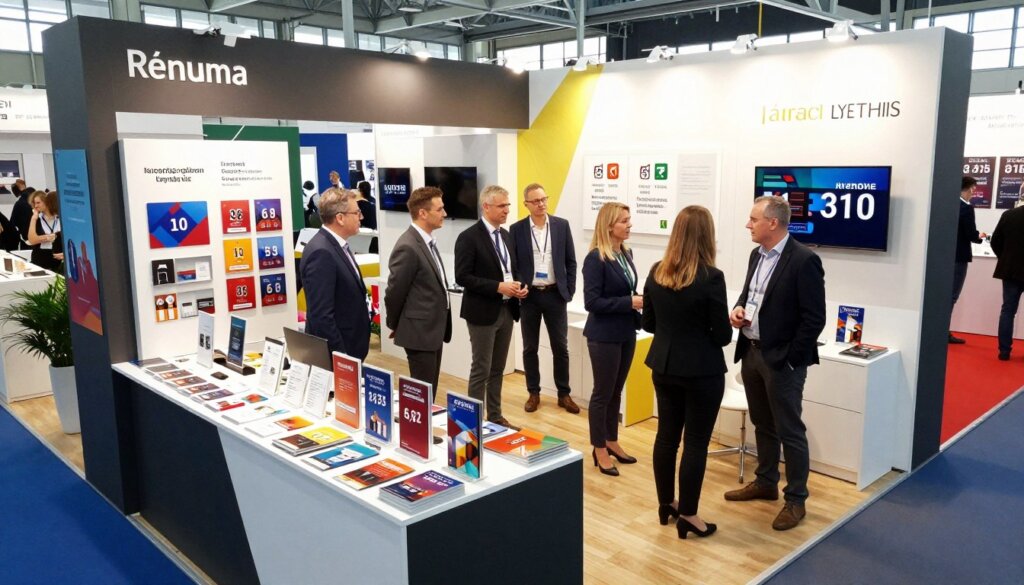
In summary, whether you choose budget-friendly, mid-range, or high-end, knowing the izstāžu stenda cenas Rīgā is key. These prices cover space and basic construction. Extra design and features cost more.
Benefits of Professional Stand Design
A well-made exhibition stand is like a silent ambassador for your brand. It draws in visitors with its eye-catching design. Investing in profesionāla izstāžu stenda veidošana means creating an experience that connects with your audience.
One key benefit is that a good stand grabs attention at exhibitions. A stand that looks great can stand out in a busy space. Bright colors, new layouts, and interesting graphics draw people in, making them want to learn more.
Attracting Attention at Exhibitions
With the right design, your stand can be a standout. Unique shapes and materials leave a lasting first impression. Interactive parts also keep visitors interested, making them more likely to learn about what you offer.
Tailoring Stands to Your Brand
Another big plus is being able to make your stand match your brand. A custom design lets you share your brand’s story clearly. Every detail, from colors to layout, can show off your brand’s values and message. This makes your brand more recognizable and loyal.
Enhancing Visitor Engagement
Lastly, a professional stand design makes visitors more engaged. It creates a friendly space for real conversations. Visitors who are engaged are more likely to ask questions and learn more, leading to new connections and sales. Your stand becomes a place for building lasting relationships.
Choosing the Right Manufacturer
Choosing the right exhibition stand manufacturer is key. It can greatly impact your event’s success. Here are some steps to find the best services.
Researching Local Companies
Begin by searching for local companies that focus on exhibition stands. A quick online search will show many options. Look at their online presence, customer reviews, and portfolios. A company with a good reputation and positive feedback is likely to offer labākie izstāžu stendu pakalpojumi.
Evaluating Past Projects
After finding possible manufacturers, review their past work. Look for projects that match your vision and brand. Ask for case studies or images of their previous stands. This will show their design skills and attention to detail.
Requesting Quotes and Proposals
Once you’ve narrowed your choices, ask for detailed quotes. A good quote should include design, materials, and labor costs. If you have questions, don’t hesitate to ask. A reliable manufacturer will explain everything and help you avoid surprises.
| Manufacturer | Specialty | Average Cost | Client Rating |
|---|---|---|---|
| Exhibit Solutions | Custom Stands | $5,000 | 4.8/5 |
| Stand Design Co. | Modular Stands | $3,500 | 4.5/5 |
| Creative Displays | Eco-Friendly Stands | $4,200 | 4.7/5 |
By following these steps, you can confidently choose a manufacturer that meets your needs. A well-made stand can draw attention and leave a lasting impression, making your event a success.
The Role of Technology in Stand Design
Technology has changed how we design exhibition stands. New tools and materials make the process faster and more creative. One big change is 3D modeling and visualization. This lets designers show virtual versions of stands before they’re built.
This tech boosts creativity and makes changes cheaper and easier. Clients can see their stand ideas come to life. They can then suggest changes to make sure it’s just right. So, 3D modeling is key in izstāžu stendu projektēšana.
3D Modeling and Visualization
3D modeling tools help designers make detailed stand models. These models show what the stand will look like in real life. Designers can tweak the layout, colors, and materials.
The benefits are clear:
- Improved client communication and satisfaction
- Less design mistakes and expensive changes
- More creativity with endless design options
Innovative Materials and Techniques
New materials have also changed stand design. Materials like lightweight aluminum, tension fabrics, and LED lights make stands look great and save money. These materials are not just pretty; they’re also strong and easy to set up.
Using these materials, designers can make stands that grab attention and work well. This helps visitors engage more and see the brand clearly at exhibitions.
| Material | Benefits | Applications |
|---|---|---|
| Aluminum Composites | Lightweight, durable, and easy to transport | Structural elements and frames |
| Tension Fabrics | Versatile, vibrant colors, and easy to change | Backdrops and banners |
| LED Integration | Energy-efficient, eye-catching displays | Lighting effects and signage |
In conclusion, technology is essential in izstāžu stendu projektēšana. With 3D modeling and new materials, designers can make stands that meet client needs and wow audiences at exhibitions.
Timeline for Stand Creation
Knowing when to create an exhibition stand is key for a great event. A good timeline keeps everything running smoothly. From the first meeting to the final design, it can take weeks.
For events like “PAVASARIS 2024,” building the stand starts early. This gives time to handle any issues. Here’s a typical timeline to help plan for your event:
| Phase | Timeline | Details |
|---|---|---|
| Initial Consultation | 4-6 weeks before | Discuss ideas and requirements with the manufacturer. |
| Design Development | 3-4 weeks before | Finalize designs and materials based on consultation. |
| Production | 2-3 weeks before | Fabrication of the stand, considering material availability. |
| Assembly | 1 week before | Set up the stand at the exhibition venue. |
| Exhibition Days | April 4-6 | Engage with visitors and showcase your brand. |
| Dismantling | April 6-10 | Take down the stand and handle large items. |
Several things can change production time. These include design complexity, material availability, and the manufacturer’s workload. Knowing these can help you avoid last-minute stress and have a successful event.
Understanding Additional Costs
When planning your exhibition stand, it’s key to think about hidden costs. These can quickly add up, making it important to know what they are.
Shipping and Handling Fees
Shipping your stand to the venue is often the first extra cost you’ll face. The cost depends on your stand’s size and weight. Always get a detailed quote from your shipping provider.
Handling fees might also apply, if your stand needs special care during transport. It’s smart to ask your manufacturer about these costs early to avoid surprises.
Installation and Dismantling Charges
Consider the cost of setting up and taking down your stand. Venues have specific times for these tasks, and extra charges may apply for work outside those hours. The “PAVASARIS 2024” document reminds you to agree on after-hours work beforehand.
Also, remember that utilities like electricity are often billed separately. Knowing these costs helps you budget better and ensures a smooth show.
Tips for Budgeting Your Stand
Planning your exhibition stand budget can be easy if you know what to look at. Start by setting a budget that covers design, build, and unexpected extras. A good budget helps avoid surprises later.
Setting a Realistic Budget
Start with a budget that matches your goals. Think about what you want to achieve at the exhibition. Your budget should include costs for stand design, construction, and extra features.
Allocating Funds for Promotion
Remember to save some money for promotional materials. This includes brochures, business cards, and giveaways. A good promotional strategy is key to drawing visitors to your stand.
Finding Hidden Costs
It’s important to find hidden costs early. Always ask for all-inclusive quotes to avoid surprises. Also, have a contingency fund for last-minute needs or changes.

Case Studies of Successful Exhibitions
Real-life success stories offer great insights into effective exhibition strategies. We will look at how local brands in Latvia have made a big impact at trade fairs. These examples show what they did right, how they balanced costs and creativity, and the results they got.
Local Brands That Made an Impact
Several local brands have shone at exhibitions with their unique stand designs. For example, a small startup used a clever modular booth. It not only caught people’s attention but also showed off their innovative products well. This made for a memorable visit for everyone.
A big corporation chose an immersive experience to engage attendees. They added interactive elements that got people involved. This led to more visitors and better brand recognition. These stories show different ways to succeed at exhibitions.
Lessons Learned from Successful Stands
From these examples, a few key lessons stand out. Creativity in design can really help get noticed. Stands that look good attract more visitors, leading to more engagement.
Understanding your audience is also key. Making your stand appealing to your target customers can leave a strong impression. Lastly, checking the results after an exhibition helps improve strategies for next time.
| Brand | Stand Type | Key Feature | Result |
|---|---|---|---|
| Startup A | Modular Booth | Innovative Product Display | Increased leads by 30% |
| Corporation B | Immersive Experience | Interactive Elements | Boosted brand recognition by 50% |
| Brand C | Custom Design | Unique Branding | Engaged 200+ visitors |
Post-Exhibition Considerations
The end of an exhibition is just the start for your stand. After all the hard work, it’s time to think about what’s next. Taking good care and planning can make your stand last longer and be ready for more events.
Storing the Stand
First, find a good place to store your stand. Climate-controlled storage is best for keeping materials safe, like if your stand has special parts. It keeps your stand from getting damaged by humidity, temperature changes, or bugs.
Here are some storage ideas for your stand:
| Storage Option | Pros | Cons |
|---|---|---|
| Climate-Controlled Facility | Protects against environmental damage | Higher cost |
| Modular Storage Units | Flexible and easy to access | May require assembly |
| On-Site Storage | Convenient for quick access | Risk of damage from frequent handling |
Reusing and Renovating for Future Shows
After storing your stand right, think about how to reuse and renovate it for future shows. Updating things like graphics or parts can make your stand look new without a full redo. This saves money and keeps your brand looking good at events.
At times, it might be cheaper to start over than to fix up your stand. Check your stand’s condition and the cost of fixing it. A bit of planning now can save you a lot of money later, keeping your stand looking great and competitive.
Future Trends in Exhibition Stands
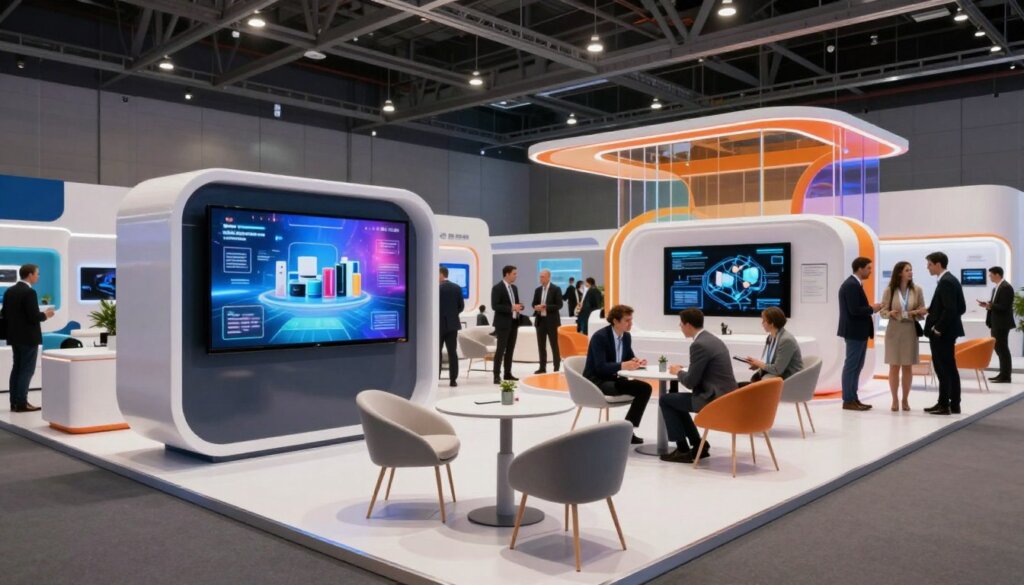
The future of exhibition stands is all about being green and making things more interactive. Companies are now using eco-friendly materials and adding cool interactive parts. These changes meet the need for sustainability and make the event better for everyone.
Eco-friendly Materials
The exhibition world is going green. Now, people are using recycled aluminum, bamboo, and water-based inks. These choices are good for the planet and appeal to those who care about the environment.
Using these materials can also make your brand look better. It attracts people who want to support eco-friendly brands.
Interactive Elements
Interactive parts are changing how brands talk to their audience. Touchscreens, virtual reality, and games make your stand memorable. These features grab visitors’ attention and make them want to stay longer.
Interactive stands help your brand message stick in people’s minds. They also lead to more sales.
By using green materials and interactive parts, your stand will shine. These trends can save money in the long run and attract more people. They show your brand is ahead of the game.
Conclusion: Making Informed Decisions
Understanding exhibition stand design is key to making smart choices. We’ve looked at many aspects, from costs to the importance of quality. These insights can greatly improve your exhibition experience.
When thinking about cost factors, remember these points:
| Cost Factor | Description | Impact on Budget |
|---|---|---|
| Size | Larger stands cost more. | High |
| Design Complexity | Unique designs can raise costs. | Medium |
| Material Quality | Top-notch materials mean better durability. | High |
| Type of Stand | Custom stands have higher initial costs. | Medium |
Quality is important. A well-made stand boosts your brand and attracts more leads. Knowing what affects costs and planning can help you stay within budget and meet your goals.
FAQs About Stand Manufacturing in Latvia
Many people wonder about exhibition stand manufacturing. Knowing the details can greatly improve your experience. Can you pasūtīt izstāžu stendu tiešsaistē? Yes, many manufacturers in Latvia offer online configurators. This lets you customize your stand and get quotes from home.
Another question is about izstāžu stenda uzstādīšana. Usually, the company you choose will handle setting up and taking down your stand. Make sure to understand what services are included in your deal to avoid surprises.
Common Questions and Answers
What materials should I choose for my stand? It depends on your budget and design preferences. High-quality materials can make your stand last longer and look better. How long does designing a stand take? It varies, but planning early is key for a timely finish.
Resources for Further Information
For more information, check out websites of industry associations or trade fair organizers. These sites offer insights on best practices and upcoming events. By engaging with these platforms, you can also keep up with the latest in exhibition design.

