


Ever wondered how long beach flags last against nature’s forces? Many beachgoers and event planners ask this, planning fun days in the sun. We’ll explore beach flag durability and their wind resistance.
Beach flags are more than just colors; they’re practical. Knowing their lifespan and wind resistance is key for seaside setups. Sun, salt spray, and more can affect their life and function.
Discovering what makes a beach flag durable is important. Whether you love the beach or plan events, understanding flag longevity is vital. It ensures a great time by the shore.
Key Takeaways
- Beach flags can vary in lifespan based on materials and exposure.
- Wind resistance is essential for effective beach setups.
- Sun and salt can significantly affect flag durability.
- Choosing the right flag can enhance your beach experience.
- Regular maintenance can prolong the life of your flags.
Understanding Beach Flags and Their Purpose
Beach flags are more than just decorations. They are key for safety and guidance. These colorful fabrics share important info to beach visitors. Knowing about beach flags can make your beach trip better.
What Are Beach Flags?
Beach flags are big fabrics on poles by the sea. They show different colors and designs. Each flag means something, like warning of dangers or showing where to swim.
Why Are Beach Flags Important at Beaches?
Beach flags are vital for keeping everyone safe. They alert of dangers like strong currents or bad water. By following these flags, you can stay safe and have fun at the beach.
Types of Beach Flags Used
There are many types of beach flags, each with its own purpose. Here’s a table showing some common ones:
| Flag Type | Color | Meaning |
|---|---|---|
| Warning Flag | Red | Dangerous conditions; swimming is prohibited. |
| Advisory Flag | Yellow | Exercise caution; conditions may be hazardous. |
| Surfing Flag | Blue | Designated area for surfing. |
| Diving Flag | Checkered | Indicates divers are in the water; keep clear. |
| Custom Event Flag | Varies | Indicates special events or activities. |
Knowing what these flags mean helps you stay safe. Beach flags are a big part of pludmales atribūti. They make sure everyone can have a good time at the beach.
Materials Used in Beach Flag Construction
The fabric choice is key for beach flags. They must handle sun, wind, and moisture while staying bright and whole. So, the materials used are very important for their lasting power and use.
Common Fabrics for Beach Flags
Beach flags are usually made from heavy-duty polyester or nylon. These are top picks because they don’t fade or get mildew. They also stand up to UV rays and saltwater, perfect for the beach.
The Role of Stitching and Threads
It’s not just the fabric that counts; stitching and threads matter too. Double-stitched seams make the flag stronger, stopping it from fraying in the wind. Using thread that resists UV rays helps the flag last longer, keeping it looking good all season.
Importance of Quality Materials
Quality goes beyond fabric and stitching. The poles and grommets need to be strong too. A flag’s strength depends on its weakest part. So, it’s smart to invest in top-notch beach gear. This ensures the flags work well all season.
| Material Type | Advantages | Disadvantages |
|---|---|---|
| Polyester | Resistant to fading, mildew, and UV rays | Can be less breathable |
| Nylon | Lightweight and strong, excellent for windy conditions | May absorb water, leading to longer drying times |
| Cotton | Soft and natural feel | Prone to fading and mildew, not ideal for outdoor use |
Lifespan of Beach Flags
Knowing how long beach flags last is key for everyone. They can last from one to three seasons, depending on the weather. A well-made flag can handle the sun and storms if taken care of.
Average Lifespan Under Typical Conditions
Quality beach flags can last a long time. They do best in the summer at a busy beach. Sun and wind can wear them down, but a good flag will last for years.
Factors Affecting Beach Flag Durability
Several things can make beach flags not last as long:
- Sun Exposure: UV rays can fade colors and weaken the fabric.
- Salt Corrosion: Saltwater can damage materials over time.
- Strong Winds: High winds can cause wear and tear, mostly on poorly designed flags.
- Environmental Debris: Bird droppings and sand can also cause damage.
Seasonal Variations in Flag Longevity
Seasons affect how long beach flags last. Flags exposed to harsh winter storms will degrade faster. It’s best to take them down during the off-season.
Experts say, “The key to keeping beach flags in good shape is to understand the environment.” This shows how important it is to take care of your flags to keep them looking good and working well.
| Condition | Expected Lifespan | Maintenance Tips |
|---|---|---|
| Moderate Use | 2-3 Seasons | Regular cleaning and proper storage |
| High Wind Areas | 1-2 Seasons | Use wind-resistant flags and store during storms |
| Harsh Winters | Less than 1 Season | Remove flags during winter months |
Wind Resistance of Beach Flags
Wind can be good or bad for beach flags, affecting how long they last. Knowing how wind impacts flags is key to picking the right one. Wind can make a flag move and grab attention, but too much wind can damage it.
Wind changes beach flags in different ways. A flapping flag shows off visually. But, strong winds can stretch and tear the fabric. The flag’s design and material greatly affect its wind resistance.
How Wind Affects Beach Flags
Flags that flap a lot in strong winds wear out quicker. The shape, size, and materials of the flag matter. For example, bigger flags catch more wind, putting more stress on the fabric and stitching.
Testing Wind Resistance in Flag Designs
Flag makers test their products to see how they handle wind. They use wind tunnels and real tests to check the vēja izturība of their designs. This helps find the best materials and ways to build flags that last longer.
Choosing Flags for Windy Conditions
For windy spots, look for pludmales karogs with special features. Reinforced hems, mesh panels, and flexible poles help flags last longer. Knowing what to look for helps you pick the best flag, whether you’re by the sea or in a quieter spot.
| Feature | Benefit | Ideal for Windy Conditions |
|---|---|---|
| Reinforced Hems | Increases durability | Yes |
| Mesh Panels | Reduces wind resistance | Yes |
| Flexible Poles | Prevents breakage | Yes |
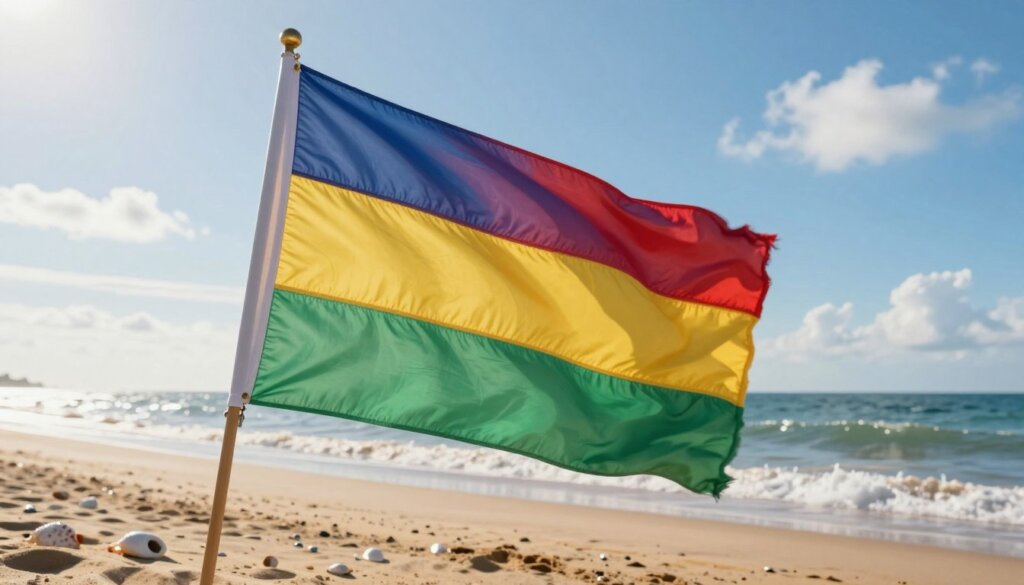
Maintenance Tips for Beach Flags
With a little care, your beach flags can stay bright and useful for many seasons. Keeping them in good shape is important. Here are some key tips to help you do that.
Regular Cleaning and Care Procedures
After a day at the beach, wash your flags with fresh water. This step removes salt and sand that can harm the fabric. For tough stains, use a mild soap and a soft cloth. But, avoid harsh chemicals that can damage the material.
Inspecting for Wear and Tear
It’s important to check your flags often for small rips or frays. Look closely at the seams and corners, as these are more prone to damage. If you find any damage, fix it quickly to make your flags last longer.
Storage Tips to Extend Lifespan
Storing your flags right can really help their pludmales karogu kvalitāte. Instead of folding, roll them up to avoid creases and damage. Keep them in a cool, dry spot, in protective bags from your pludmales piederumi. This simple step will keep your flags looking good for your next beach trip.
Regulations and Standards for Beach Flags
Knowing the rules for beach flags is key for safety. Each beach has its own set of rules for flag use. These rules can change a lot from one beach to another, so it’s important for beach owners to keep up.
Some places need certain colors for warning flags, while others have rules for flag size. Following these local rules helps keep everyone safe. It also makes sure beachgoers know what to expect.
Local Guidelines on Beach Flag Usage
Local rules are made to keep visitors safe. They often include:
- Specific colors for different warnings.
- Size requirements for visibility.
- Placement rules to ensure flags are easily seen.
Safety Standards to Consider
Safety standards come from groups like the International Life Saving Federation. These standards make sure pludmales iekārtas are visible and strong enough. Following these standards is important for safety and trust.
Importance of Compliance for Beach Operators
For beach owners, following the rules is essential. It’s not just about following rules; it’s about safety and avoiding legal trouble. By sticking to the guidelines, beach owners can create a safe place for everyone.
Popular Brands Offer Beach Flags
Let’s explore the top brands for beach flag designs. It’s key to look at both looks and durability. Some brands are known for their quality.
Notable Companies in the Beach Equipment Market
Several companies lead in the beach market. Taylor Made Products, Beach Flags USA, and EZ-Flagger are top choices. They offer many designs to fit different tastes.
Comparing Quality Across Different Brands
When comparing beach flags, pludmales karogu kvalitāte matters. Some are affordable, while others are high-end. The materials and design impact how well a flag stands up to wind.
Customer Reviews on Popular Beach Flags
Customer opinions are very helpful. Many stress the need for flags that don’t fade and are durable. Reviews share how flags perform in real conditions.
Thinking about these points helps you pick the right brand for your beach flag needs.
Eco-Friendly Beach Flag Options
If you love the beach, you’ll find eco-friendly beach flags appealing. They’re made from sustainable materials, perfect for those who care about the environment. These flags do their job well and help reduce your pludmales atribūti impact.
Recycled polyester is a common choice for flags. It’s strong and lasts as long as regular materials. Organic cotton is also popular. It’s grown without harmful pesticides, making it better for our planet.
Sustainable Materials in Flag Construction
Using eco-friendly materials in beach flags has many benefits. Here are some:
- Reduced Environmental Impact: Eco-friendly flags cut down on waste and pollution.
- Durability: Many eco-friendly options are as durable as regular flags.
- Healthier Choices: Non-toxic dyes and biodegradable packaging make for a safer environment.
Benefits of Using Eco-Friendly Flags
Choosing eco-friendly beach flags supports sustainability. It also boosts your brand’s image if you run a beachside business. More and more people want to support companies that care about the environment.
Companies Promoting Sustainability
Several companies are at the forefront of eco-friendly beach flags. Brands like EcoFlag and GreenBeach Gear are leading the way. They use safe dyes and biodegradable packaging, making their products eco-friendly.
In summary, eco-friendly beach flags are good for you and the planet. By choosing sustainable materials, you help the environment while enjoying the beach.
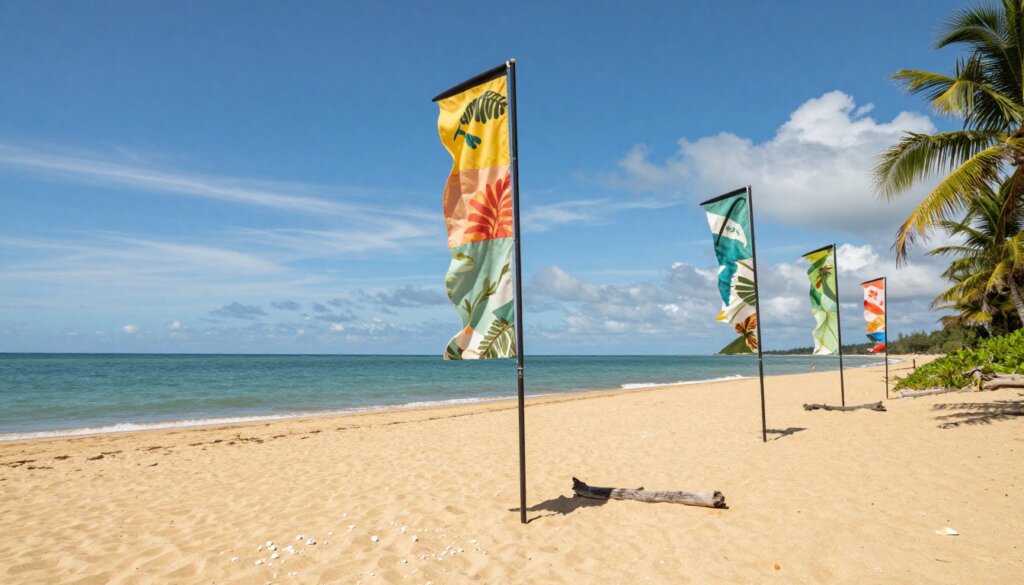
Significance of Color Codes for Beach Flags
Beach flags are more than just decorations. They carry important safety messages. Knowing the color codes of beach flags is key to staying safe by the shore. Each color tells us about different conditions, helping us make smart choices fast.
Understanding Color Meanings in Beach Flags
Beach flags use a color code system everyone can understand. A red flag warns of high danger. A yellow flag signals medium risk. And a green flag means the water is calm, safe for swimming.
A purple flag alerts us to marine pests, warning of possible dangers. These colors help us stay safe quickly.
Associations with Safety and Risk Levels
These color meanings are essential for beach safety. They give us quick visual warnings to avoid accidents. For example, a double red flag tells us the beach is closed to swimming.
This is vital information for everyone. Knowing these flags can save lives.
Examples of Flag Color Codes
Flag codes can vary by region. In Florida, a black-and-white checkered flag marks surf zones for experienced surfers. Knowing these pludmales karogs dizains helps everyone stay safe, whether you’re a local or a tourist.
How to Choose the Right Beach Flag for Your Location
Beach flags come in different sizes and types. It’s important to know your surroundings. This helps you pick the right flag for your needs.
Assessing Local Weather Conditions
First, look at the weather at your beach. Consider:
- Wind Speed: Strong winds need sturdy flags.
- Sun Exposure: Choose flags that resist UV rays to keep colors bright.
- Saltwater Exposure: Pick materials that can handle salty air well.
This way, your flag will last longer and stay visible.
Popular Seaside Activities and Their Requirements
Beach activities need specific flags. For example:
- Swimming Areas: Use flags to mark safe swimming zones.
- Kite Surfing: Flags for kite surfing must be strong and easy to see.
- Beach Volleyball: Customize flags for events or teams.
Choosing the right flag for your activity makes it more effective.
Tips for Customizing Flags to Your Needs
Customizing flags can make them more visible and useful. Think about:
- Size: Pick a size that’s easy to see from far away.
- Design: Add logos or colors that show your brand or beach.
- Material: Choose materials that last long and catch the eye.
Personalizing your flags can make your beach stand out. It also helps with safety and following local rules.
Custom Beach Flags for Businesses
Unique beach flags can really help your business stand out at the beach. They make your brand more visible and help you create a strong identity. Your beachfront spot can become a landmark, drawing in more customers and leaving a lasting impression.
Custom flags are great for marketing. They grab the attention of beachgoers. A well-placed flag can increase foot traffic, helping your business shine.
Marketing Benefits of Customized Flags
Custom beach flags are key to your marketing strategy. Here are some benefits:
- Increased Visibility: Bright colors and unique designs make your business more noticeable.
- Brand Recognition: Consistent branding helps customers remember your business.
- Cost-Effective Marketing: Flags are a low-cost investment with high returns.
Creating Eye-Catching Designs
Creating a captivating flag is easy. Here are some tips:
- Color Psychology: Use colors that evoke the right emotions and attract attention.
- Font Choices: Select clear, bold fonts that are easy to read from a distance.
- Logo Placement: Ensure your logo is prominently displayed for maximum brand impact.
Collaborating with Designers for Unique Flags
If design isn’t your thing, don’t worry! Working with professional designers can bring your vision to life. They create custom beach flags that match your brand’s identity. Together, you can make a flag that truly represents your business.
In conclusion, investing in pludmales karogs dizains can greatly benefit your beachside business. Custom flags enhance visibility and create memorable impressions. So, why not design your own?
| Feature | Benefit | Considerations |
|---|---|---|
| Design | Attracts customers | Ensure brand alignment |
| Color | Evokes emotions | Choose wisely for impact |
| Material | Durability | Weather-resistant options |
Buying Beach Flags: Where to Shop
Are you ready to buy beach flags? Let’s look at where to find the best ones. You can choose between online retailers and local stores. Each has its own pros and cons.
Online Retailers vs. Local Stores
Online shopping is convenient and offers many choices. Here are some benefits:
- Convenience: Shop from anywhere, anytime.
- Variety: Access to numerous brands and styles.
- Price Comparisons: Easily compare prices across different websites.
Local stores, on the other hand, let you buy right away. Consider these points:
- Immediate Purchase: Take your flag home right away.
- Personal Inspection: Check the quality and material in person.
- Local Support: Support your community businesses.
Key Factors to Consider Before Purchase
Before you decide, remember these important points:
- Material: Ensure the flag is made from durable fabric.
- Size: Choose a size that fits your needs.
- Wind Rating: Look for flags rated for your local weather conditions.
- Return Policies: Check if you can return the flag if it doesn’t meet your expectations.
Pricing Guide for Beach Flags
Knowing the price range for beach flags helps with budgeting. Here’s a quick guide:
- Basic Warning Flag: $15 – $30
- Standard Beach Flag: $30 – $60
- Heavy-Duty Custom Banner: $60 – $120
For the best value, shop during sales or look for bulk discounts on pludmales piederumi.
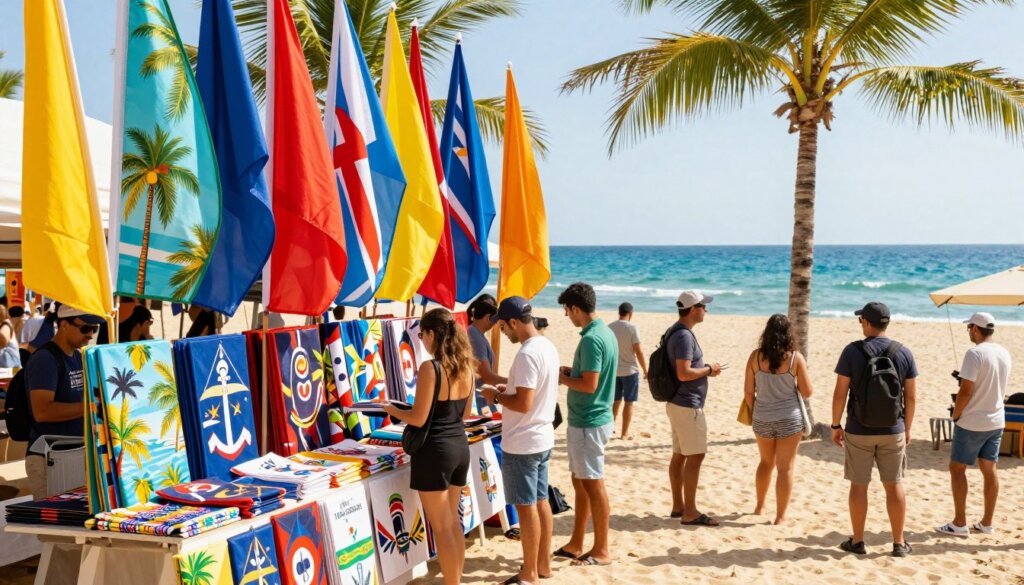
DIY Beach Flag Options
Making a DIY beach flag is rewarding and lets you show off your style. It’s a fun way to be creative while enjoying the beach.
There are many benefits to making your own beach flag. It can save you money. You get to choose the design, colors, and materials. Plus, there’s pride in flying something you made.
Benefits of Making Your Own Beach Flags
- Cost-Effective: Save money by using materials you already have.
- Creative Freedom: Design a flag that reflects your personality.
- Satisfaction: Enjoy the pride of displaying your own creation.
Materials Needed for DIY Flag Creation
To make your own beach flag, you’ll need:
| Material | Purpose | Where to Find |
|---|---|---|
| Durable Fabric | For the flag surface | Local fabric store or online |
| Sewing Kit | For stitching the flag | Your home or craft store |
| Grommets | For attaching the flag to the pole | Craft store |
| Flag Pole | To display your flag | From your stash of pludmales piederumi |
Step-by-Step Guide to Flag Creation
Here’s how to make your own beach flag:
- Cut the fabric to your desired flag size.
- Hem the edges to prevent fraying.
- Attach grommets at the corners for easy hanging.
- Insert the flag onto the pole securely.
Whether it’s for a family reunion or a small business, DIY beach flags add a personal touch. Enjoy making your unique pludmales karogs and make your beach outings special!
The Role of Beach Flags in Lifeguard Safety
Lifeguards use beach flags to share important safety info. These flags are more than just colors; they’re key tools. They tell swimmers about water conditions and safety rules.
Beach flags are lifeguards’ silent helpers. They alert swimmers to dangers. Lifeguards must make sure these flags are seen and understood.
Lifeguard Responsibility and Flag Usage
Lifeguards use flags to show different conditions. A red flag means danger, while a yellow flag warns of moderate risks. It’s their job to show these flags clearly and teach the public what they mean.
Community Awareness and Education
It’s also key for the community to know what the flags mean. When people understand, they can stay safer. Lifeguards teach about flag meanings and why they’re important.
Case Studies on Flag Effectiveness
Real examples show how flags improve safety. A California beach saw fewer rescues with better vēja izturība flags. Swimmers could see the flags better, leading to more safety.
| Flag Color | Meaning | Recommended Action |
|---|---|---|
| Red | High hazard | Do not swim |
| Yellow | Medium hazard | Swim with caution |
| Green | Low hazard | Safe to swim |
| Blue | Marine life warning | Be cautious of marine life |
Investing in good pludmales atribūti saves lives. Working together, lifeguards and the community make beaches safer for all.
Future Trends in Beach Flag Design
Beach flags are getting a tech boost and a splash of creativity. As beaches need better safety and communication, new materials and designs are key. Let’s dive into the exciting trends that will shape beach flags’ future.
Innovations in Materials and Technology
New materials are changing beach flags. Here are some big changes:
- Self-repairing fabrics: These can fix themselves, making flags last longer.
- Solar-reflective coatings: These keep flags cool and colors bright under the sun.
- Smart technology: Flags with sensors can track wind and UV, helping lifeguards.
Emerging Designs and Patterns
Designs are getting bold and lively. Digital printing lets flags show:
- Photorealistic graphics: These create eye-catching visuals and messages.
- Dynamic patterns: Wind-changing designs add interest and visibility.
- Customizable options: Companies can make unique flags that show off their brand.
Predicting the Next Big Thing in Beach Flags
Looking ahead, beach flags will get even more advanced. Expect:
- Smart flags: These will track the environment and talk to beachgoers through apps.
- Eco-friendly materials: Flags will be made from recycled or biodegradable stuff.
- Interactive features: Flags might have QR codes for safety info or local alerts.
These trends will make pludmales karogu kvalitāte better and keep beach flags essential for safety. The future of pludmales karogs dizains looks bright, with new tech and designs that will make our beach time better.
Conclusion: Ensuring Safety and Fun at the Beach
As we finish talking about beach flags, it’s key to remember their role in keeping us safe and having fun. The question, “Cik ilgi pludmales karogs kalpo un vai iztur vēju?” shows how important it is to know how long and how well these flags can handle the wind. A good beach flag can stand up to tough weather and last for many seasons, helping to keep everyone safe.
When picking out beach flags, think about what you need them for. Whether it’s for safety, to advertise, or just to make your beach day better, the right flag matters. Choose flags that are made well and can handle the weather. This choice not only makes your beach time better but also helps keep everyone safe.
Also, it’s important to spread the word about safe beach habits. Every flag that’s used right helps avoid accidents and builds a safer beach culture. Use what you’ve learned to make smart choices about beach flags. Together, we can make the beach a safer and more fun place for everyone.

