


Ever thought about which fabrics make your sublimation designs shine? The world of sublimation printing is both fascinating and tricky. Choosing the right materials is key.
We’ll look at the top fabrics for sublimation printing. These materials give vibrant and lasting results. Synthetic materials like polyester, nylon, and acetate work best. They’re great for showing off your creativity and making designs stand out.
100% polyester is the top choice for sublimation, giving the brightest colors. Cotton blends can also work, but colors might be softer. Natural fibers like pure cotton don’t hold dye well. Some synthetics, like polyamide and polypropylene, can melt under heat.
By the end of this guide, you’ll know which fabrics to use for your next sublimation project. You’ll be ready for success!
Key Takeaways
- Sublimation printing is ideal for synthetic fabrics like polyester, nylon, and acetate.
- 100% polyester provides the most vibrant results.
- Blends with cotton can work but may appear less saturated.
- Natural fibers like pure cotton do not hold sublimation dye.
- Avoid using polyamide and polypropylene as they melt under heat.
What is Sublimation Printing?
Sublimation printing turns solid dye into vibrant images on fabric. It’s a blend of science and art. Let’s see how it works and why designers love it.
Definition of Sublimation Printing
Sublimation printing changes solid dye into gas without becoming liquid. This gas then sticks to synthetic fibers, making a permanent image. It’s different from other printing because it brings out vibrant colors and detailed designs that last.
How Sublimation Works
The process starts with a special printer that uses sublimation inks. First, a design is printed in reverse on sublimation paper. Then, this paper is placed on fabric and heated with a press.
As the heat increases, the dye turns into vapor and goes deep into the fabric. This embeds the colors at a molecular level.
Advantages of Sublimation Printing
Sublimation printing has many benefits:
- Durability: The prints don’t fade, crack, or peel.
- Texture: You can’t feel the print on the fabric, as the dye becomes part of the material.
- Color Range: It creates stunning, full-color images with fine details.
- Flexibility: The design stretches with the fabric, keeping its quality.
In summary, sublimation printing is more than a method. It’s a way to make lasting, beautiful designs for fabric products.
Popular Fabrics for Sublimation Printing
To get vibrant and lasting prints, knowing the best fabrics for sublimation is key. The right fabric can make your design pop with amazing colors and clarity. Let’s look at three top fabric types for sublimation printing.
Polyester
100% polyester is the top choice for sublimation printing. It takes the ink well, giving bright, lasting colors. Polyester is durable, making it great for many uses, like clothes and home decor.
Polyester knits and poly-poplin are often used for banners and promotional items. This shows how versatile polyester is.
Polyblend Fabrics
Polyblend fabrics are a mix of polyester and cotton, like a 50/50 blend. They offer a soft, vintage feel and work well for sublimation. While the colors might not be as bright as 100% polyester, they’re easy to wash and keep their quality.
This makes polyblends a favorite for custom t-shirts and other clothes.
Coated Fabrics
Coated fabrics are treated to take sublimation ink. Items like mugs and metal plates need a polyester coating for sublimation. This coating lets you print on materials that usually can’t be printed on, opening up more creative options.
Characteristics of Suitable Fabrics
Knowing the right fabric traits can make your sublimation prints better. When picking fabrics for sublimation, look at several key factors. These factors affect the print’s quality. Let’s explore what makes fabrics great for sublimation printing.
Synthetic vs. Natural Fibers
Synthetic fibers like polyester and nylon are top choices for sublimation. Their structure lets the dye bond well, giving bright and lasting colors. Natural fibers, like cotton, can lose dye, making colors duller.
Acrylic fabrics can work, but they don’t show colors as well as polyester.
Fabric Weight and Texture
The fabric’s weight and texture matter a lot. A smooth, tight weave in polyester gives sharp prints. But, heavier fabrics might be soft but can blur the image.
For the best results, pick fabrics that are both comfy and clear in print.
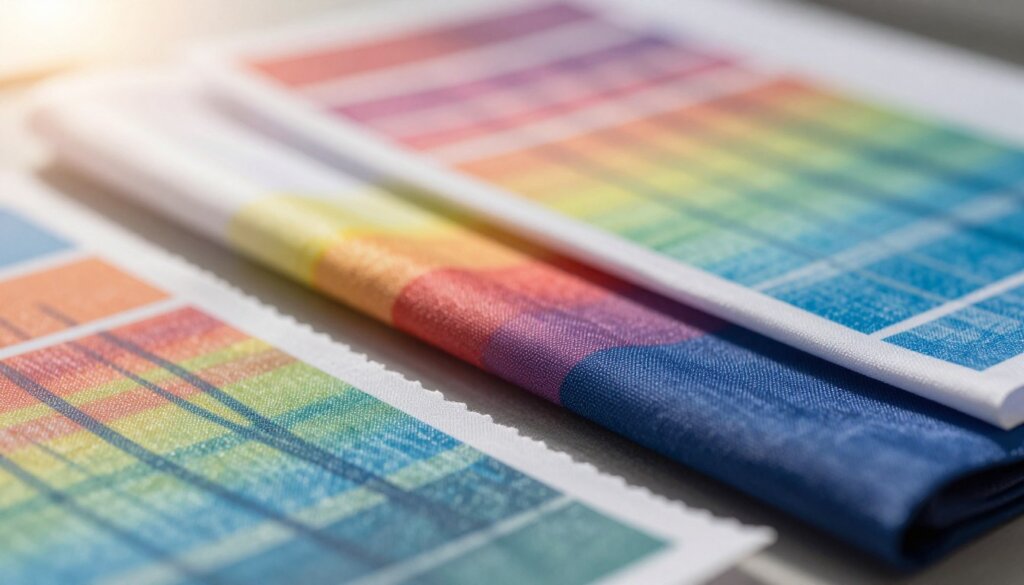
Color Brightness and Vibrancy
The fabric’s color affects how bright the print looks. White or light fabrics make colors stand out. But, darker fabrics can make printing harder, needing more tweaks for bright colors.
| Fabric Type | Best for Sublimation? | Color Vibrancy | Texture Impact |
|---|---|---|---|
| Polyester | Yes | High | Sharp prints |
| Cotton | No | Low | Dull prints |
| Acrylic | Conditional | Medium | Soft prints |
| Polyblend | Yes | Medium | Good prints |
Understanding these traits helps you choose the right fabrics for sublimation. This knowledge leads to amazing prints that show off your designs well.
Incompatible Fabrics for Sublimation
Not all fabrics work well with sublimation printing. Some can cause disappointing results. It’s important to know which fabrics don’t work well for vibrant designs.
Cotton and Other Natural Fibers
Natural fibers like cotton, linen, silk, and wool don’t hold sublimation dyes well. This means designs on these materials will fade or wash away. For instance, designs on pure cotton won’t stick, leaving a dull finish.
Low-Quality Blends
Low-quality blends can also cause issues. If a fabric has too much natural fiber or unknown fillers, prints can be uneven. This unevenness results in faded prints that don’t look good. So, it’s key to use high-quality materials for sublimation.
Why Some Fabrics Fail
Heat-sensitive synthetics like polyamide and polypropylene can’t handle sublimation’s high temperatures. They might melt or change shape, ruining the design. Also, acrylic fabrics often produce duller colors, making prints less vibrant.
| Fabric Type | Compatibility | Common Issues |
|---|---|---|
| Cotton | Incompatible | Design washes out |
| Low-Quality Blends | Incompatible | Patchy, faded results |
| Polyamide | Incompatible | Melt or distort |
| Polypropylene | Incompatible | Melt or distort |
| Acrylic | Incompatible | Duller colors |
Importance of Fabric Preparation
Getting your fabric ready right can really change how your sublimation prints turn out. Sublimation printing doesn’t need special chemical treatments. But, making sure the surface is clean and smooth is key. This step is a must and can really impact your print’s quality.
Pre-Treating Fabrics
Sublimation doesn’t usually need pre-treatments. But, checking your fabric first is important. Make sure it’s free from dust, lint, and oils. These can stop the dye from soaking in, making your prints less bright.
Ensuring Clean Surfaces
Cleaning your fabric well is essential for top results. A quick press or gentle wipe can get rid of dirt. This helps avoid ghosting or dull spots in your print. A clean surface means your fabric is ready for a great print.
Avoiding Contamination
Moisture or residue can mess with sublimation. Keep your fabrics dry and away from fabric softeners or finishes. This helps keep your prints looking their best.
“Even the best fabric can let you down if it’s not prepped right.”
| Preparation Step | Importance | Common Issues |
|---|---|---|
| Inspect Fabric | Ensures no lint or dust | Blocked dye absorption |
| Clean Surface | Prevents ghosting | Dull spots in print |
| Avoid Contamination | Maintains print quality | Moisture damage |
Best Practices for Sublimation Printing on Fabrics
Ready to take your sublimation skills to the next level? Let’s dive into the best practices for printing on fabrics. These tips will help you get vibrant and lasting prints.
Temperature and Pressure Settings
Temperature and pressure are key in sublimation printing. If they’re too low, the dye won’t transfer well. But if they’re too high, you might scorch or change the colors. Start with 400°F (204°C) for 45 seconds. You might need to tweak these settings based on the fabric.
Ink and Transfer Paper Recommendations
Choosing the right ink and transfer paper is vital for great sublimation prints. Go for high-release transfer paper and genuine sublimation inks. These ensure your prints are sharp and vibrant.
Time Management During Printing
Managing time well is key during printing. Don’t rush the process to avoid poor quality. But don’t overdo it, as too much time can harm the fabric. Keep a cheat sheet to help with timing for different fabrics.
Specialty Papers for Sublimation Printing
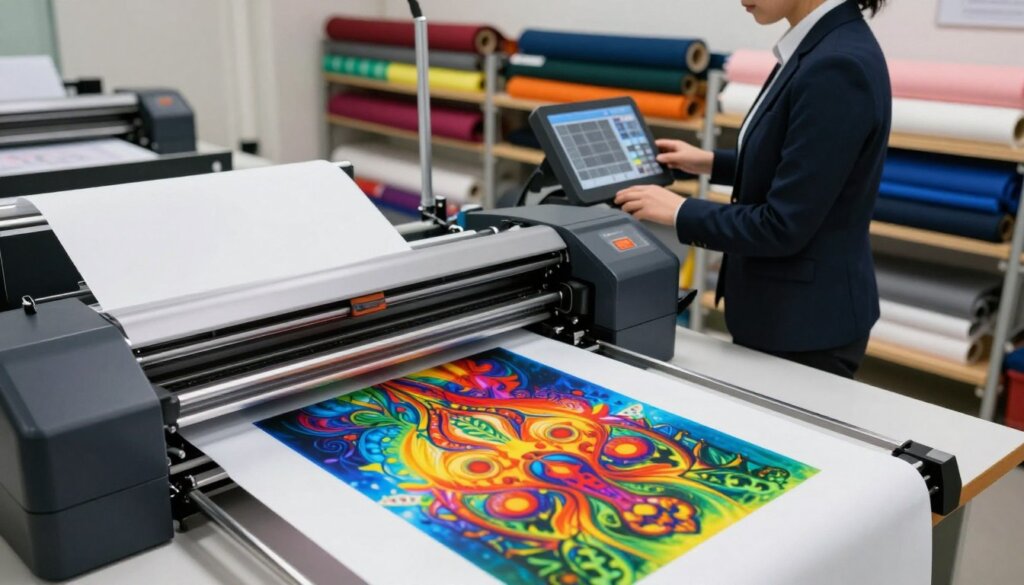
In sublimation printing, the unsung hero is often the transfer paper itself. Choosing the right type of transfer paper can make a big difference in your prints. There are many types of transfer papers, each with its own special features.
Transfer Paper Types
Transfer papers come in different types, like standard, high-release, tacky, and non-tacky. Standard paper is good for simple projects. High-release paper is best for detailed designs. Tacky paper sticks better to uneven surfaces.
Advantages of High-Quality Transfer Paper
High-quality transfer paper has many benefits. It keeps ink in place, so your designs stay sharp and bright. It also releases ink evenly under heat, reducing errors like ghosting. This is key for top-notch sublācijas tehnikas audumu apdruka.
Paper Sizing Considerations
Getting the right size for your transfer paper is important. Cutting it to fit your fabric prevents smudges. Also, make sure it’s aligned right on your fabric for a perfect transfer. These steps can take your project from good to amazing!
Understanding Fabric Coatings
Fabric coatings are key in sublimation. They help sublimation dyes stick to surfaces, making them perfect for fabrics and hard materials. Knowing about coated fabrics opens up new creative doors.
Coated fabrics have a thin layer for sublimation inks to stick well. This lets you decorate non-fabric items like mugs and metal signs. The polyester coating is vital for bright, lasting prints.
Benefits of Coatings for Sublimation
Coated fabrics offer many benefits for sublimation. They give a smooth surface for better print quality. This means your designs will look sharp and colorful.
Coatings also make it easier to personalize many items. You can turn simple objects into special, custom pieces. With the right coating, anything can become unique.
Common Coating Types
There are several common coatings for sublimation printing. Some top ones include:
- Spray-on Coatings: Applied by hand, they work on many surfaces.
- Factory-Applied Coatings: Pre-treated during making, they ensure quality.
- Heat-Activated Coatings: Need heat to stick, giving a strong finish.
Knowing these coating types helps pick the best for your projects. Whether it’s clothes or home decor, fabric coatings are key for audumu sublimācija success.
Color Theory in Sublimation
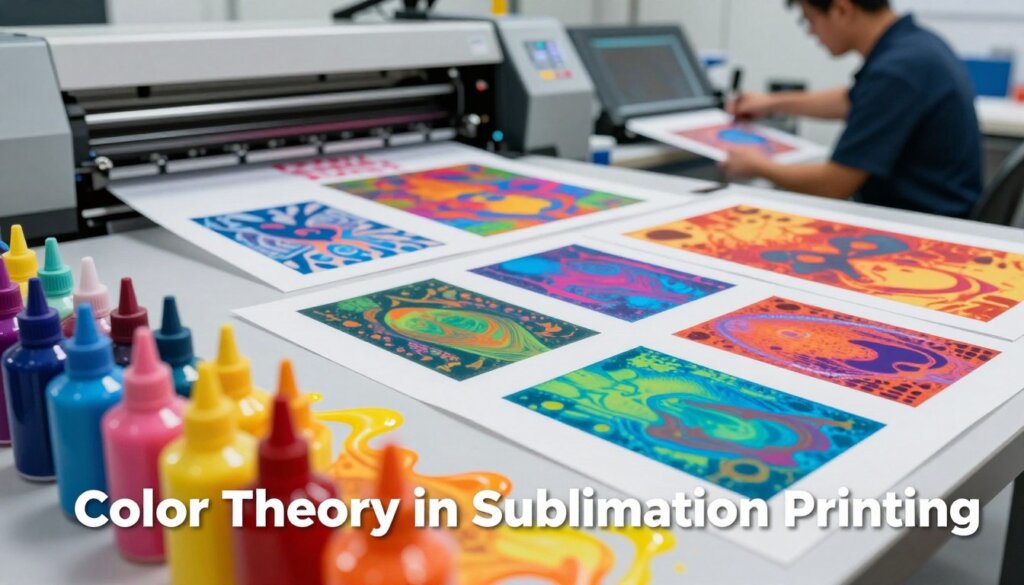
Color theory is key for vibrant sublimation prints. The colors you pick greatly affect your project’s look. Let’s dive into managing color profiles and variations for amazing prints.
Color Profiles and Calibration
Color profiles ensure your screen colors match the print. Calibration adjusts your printer and monitor for this match. Here are tips for calibration:
- Use a color calibration tool: This device adjusts your monitor’s colors to true hues.
- Set your printer to the correct color profile: Align your printer settings with your ink and paper type.
- Regularly check and adjust: Periodic calibration keeps your prints color-accurate over time.
Managing Color Variations
Color variations come from fabric type, temperature, and humidity. Here’s how to handle these variations:
- Test prints: Always test on the fabric you’ll use to see color accuracy.
- Adjust settings: Change temperature and pressure for the best results based on fabric.
- Consider environmental factors: Humidity affects ink absorption, so watch your workspace conditions.
Achieving Desired Results
Color theory is essential for sublimation printing success. Here are some helpful tips:
- Choose your colors wisely: Know the color wheel and how complementary colors can boost your designs.
- Soft proofing: Use software to simulate print colors, making adjustments before finalizing your design.
- Be patient: Perfect color matches take time and trial, so don’t rush.
Sublimation in Home Décor
Make your home a vibrant mirror of your personality with sublimation printing. This method lets you make unique, personalized items for any room. You can find custom pillow covers, special curtains, or personalized tablecloths, all thanks to sublimation.
Custom Pillow Covers are a great way to add a personal touch. Imagine having family photos or favorite quotes on soft fabric. Sublimation makes these designs durable and washable, so they look great and last long.
Unique Curtains and Drapes can also change your space. Sublimation printing lets you make curtains that stand out. Choose bold patterns or subtle designs to match your home’s look. Plus, these curtains are lightweight, making them elegant and easy to hang.
Personalized Tablecloths can make every meal special. With sublimation, you can design tablecloths that show off your style. They’re easy to clean and perfect for any event.
When picking fabrics, polyester blends are a good choice. They look great and take ink well, making your designs sharp and bright. Match colors with your style to make your space cohesive.
“Your home is your canvas, and sublimation lets you decorate it with personality.”
Sublimation printing turns your home into a showcase of your creativity and style. Explore the options and fall in love with your home all over again!
Fashion and Apparel Printing
Sublimation printing is changing the fashion world. It brings vibrant sportswear and unique accessories to life. This method creates high-quality, photorealistic designs that are both stylish and durable.
Sportswear and activewear are big fans of sublimation. These clothes are made from polyester that wicks away moisture. This keeps you cool and dry. Plus, the colors stay bright, even after many washes.
Sportswear and Activewear
Sportswear loves sublimation for its all-over prints. These prints cover the whole fabric, creating a seamless look. It’s great for team uniforms, where everyone looks the same. And, the prints are light, so you won’t feel heavy.
Custom T-Shirts and Hoodies
Custom t-shirts and hoodies are perfect for sublimation. They can show off personal designs, logos, or family photos. The colors are vibrant, making these items great for events or just to show off your style.
Choose clothes with lots of polyester for sublimation. This ensures the colors stick well and stay bright. Plus, the prints feel smooth, unlike traditional screen printing.
Unique Accessories and Bags
Sublimation isn’t just for clothes; it’s also for accessories. You can customize tote bags, caps, and even shoes. Imagine a tote bag with your favorite art or a cap that shows your personality.
To keep your sublimated clothes looking good, wash them in cold water. Use gentle detergents to avoid damaging the colors. This way, your fashion statements will last longer.
“From gym to street, sublimation is a fashion game-changer.”
Environmental Impact of Sublimation Printing
Sublimation printing is a chance to go green. By picking the right stuff and methods, we can cut down our harm to the environment. Let’s explore how it can be better for both people and companies.
Eco-Friendly Fabric Options
Using eco-friendly fabrics is a big step towards sustainability in sublimation printing. Recycled polyester (rPET) is a top pick. It’s made from plastic bottles, giving them a new life as stunning prints.
This not only cuts down plastic waste but also saves resources needed for new materials.
Reducing Waste in Production
Reducing waste is key to making sublimation printing greener. Using a print-on-demand model cuts down on extra stock. Digital proofs also help plan better and reduce mistakes.
Turning any mistakes into new things is another way to cut waste. It turns waste into new chances.
Recycling Sublimation Products
Even when sublimation products reach the end of their life, they can be green. Many polyester items can be recycled, helping the circular economy. Some brands are leading the way in recycling and reusing their products.
Troubleshooting Common Issues
Sublimation printing can sometimes lead to unexpected challenges, even for the pros. In this section, we will address some common issues you might encounter and provide helpful solutions. With the right tips, you can confidently tackle these problems and improve your printing results.
Print Quality Problems
Blurry or faded prints can be frustrating. Often, these issues arise from incorrect pressure settings or misalignment of the transfer paper. Here are some steps to help you troubleshoot:
- Check Pressure: Ensure your heat press is set to the recommended pressure for your fabric type.
- Align Properly: Make sure the transfer paper is correctly aligned with the fabric before pressing.
- Use Quality Materials: High-quality inks and transfer papers can significantly enhance print clarity.
Adhesion Issues
Sometimes, the dye doesn’t bond well with the fabric, leading to peeling or flaking. This can often be traced back to fabric composition or cleanliness:
- Fabric Composition: Ensure you are using fabrics that are suitable for sublimation. Natural fibers like cotton do not work well.
- Clean Surfaces: Always pre-treat your fabric and ensure there are no contaminants on the surface.
- Temperature Check: Verify that your heat press is at the correct temperature for the fabric you are using.
Color Matching Difficulties
Achieving the perfect color can be tricky. Color inconsistencies may arise due to calibration issues or incorrect profiles:
- Recalibrate Your Printer: Regularly check and adjust your printer’s color settings to ensure accuracy.
- Use Color Profiles: Make sure you are using the right color profiles for your specific inks and materials.
- Test Swatches: Always print test swatches to confirm color accuracy before finalizing your project.
| Issue | Common Causes | Solutions |
|---|---|---|
| Print Quality Problems | Incorrect pressure, misalignment | Check pressure settings, align properly |
| Adhesion Issues | Wrong fabric type, cleanliness | Use suitable fabrics, clean surfaces |
| Color Matching Difficulties | Calibration issues, wrong profiles | Recalibrate printer, use correct profiles |
By following these troubleshooting tips, you can overcome common sublimation printing issues and achieve beautiful results. Remember, practice makes perfect, and every challenge is an opportunity to learn!
Future Trends in Sublimation Printing
The world of sublimation printing is changing fast. New tech brings fresh ideas for fabrics and inks. This means big changes in how we print on clothes.
New fabrics are coming, blending softness with great sublimation quality. Smart clothes are also on the rise. They look good and do cool things, like change with your surroundings.
Ink improvements are making sublimation better too. Now, colors are more vivid and prints happen quicker. People want eco-friendly inks, and brands are listening, keeping quality high.
More people want unique items, like custom shoes and special home decor. This shows a love for personal touches in everyday things. New methods, like mixing sublimation with metallics, are also becoming popular. They open up more creative options.
The future of sublimation printing looks bright. As it grows, we’ll see even more cool stuff. It’s an exciting time, and we can’t wait to see what’s next.

