


Ever wondered why some materials are favorites among artists and designers? In creative projects, lightweight, rigid boards are changing the game. They offer a smooth surface and top-notch stability.
This article will dive into the world of foam board and its uses. It’s perfect for architects, artists, and display designers. Knowing about this material can make your work better and more impressive.
Let’s find out what foam board is and how it can help you. It’s like a magic tool for a pro look without the trouble of warping. You’ll see how it can change your creative projects.
Key Takeaways
- Lightweight and rigid boards are essential for creative projects.
- Foam boards provide a smooth surface and exceptional stability.
- Ideal for architects, artists, and display designers.
- Helps achieve a professional finish without warping.
- Understanding this material can enhance your workflow.
What is Kapa Foam Board?
Kapa foam board is a special material used in many ways. It’s known for being light and very durable. It plays a big role in creative projects.
Definition and Composition
Kapa putukartons has a dense foam core in the middle. It’s wrapped in smooth, clay-coated paper or plastic. This makes it both light and strong. The foam core gives it strength, and the outer layers are smooth for printing and mounting.
Characteristics of Kapa Foam Board
Kapa foam board has some unique features:
- Lightweight: It’s easy to carry, great for many projects.
- Rigid: It’s surprisingly stiff, perfect for precise work.
- Ultra-smooth surface: The outer layers are ideal for prints and graphics.
- Warp resistance: It keeps its shape well, even over time.
These qualities make Kapa putukartons a top choice for artists, designers, and teachers. It’s light, strong, and has a perfect surface for different uses.
| Characteristic | Description | Benefit |
|---|---|---|
| Weight | Lightweight material | Easy to transport and handle |
| Surface | Smooth, clay-coated | Ideal for printing and mounting |
| Core | Dense polyurethane foam | Provides rigidity and support |
| Durability | Resistant to warping | Maintains shape over time |
The Origin of Kapa Foam Board
Kapa foam board has a fascinating history. It was first made in Germany by 3A Composites. They aimed to create a light, stable material for graphic displays and models.
The first versions of Kapa foam board were made to solve problems for designers and artists. It was light, making it easy to move around. As more people needed versatile materials, Kapa foam board kept improving.
Historical Background
In the late 20th century, Kapa foam board became popular in architecture, art, and education. Its strong core and smooth surface were perfect for many projects. This made it a favorite for architectural models and art displays.
Evolution of Materials
Over time, the materials in Kapa foam board have gotten better. The original mix was improved to last longer and be more versatile. Now, it can handle moisture better and stick to surfaces well.
As technology gets better, Kapa foam board stays a key player in creative fields. Its growth shows the need for new materials that meet the changing needs of artists and designers.
Common Uses of Kapa Foam Board
Kapa foam board is a versatile material used in various creative fields. It is lightweight and has a smooth surface. This makes it perfect for many uses. Let’s look at some of the most common uses of Kapa foam board.
In Architectural Models
Architects use Kapa foam board to make precise scale models. The board’s clean cuts and flawless surfaces allow for detailed representations of buildings and structures. This precision is key when showing designs to clients or stakeholders.
In Art and Craft Projects
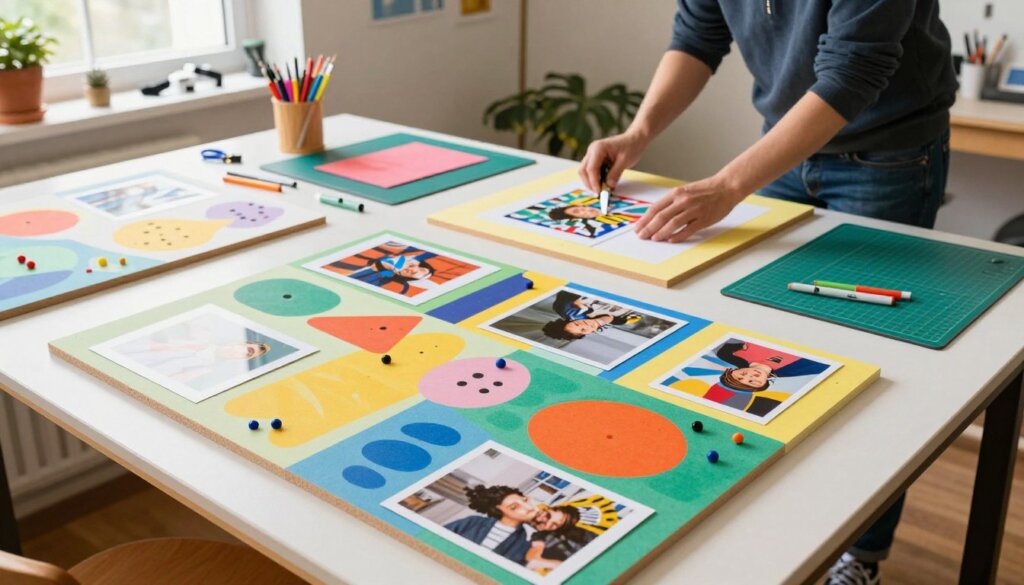
Artists and crafters love Kapa foam board for its adaptability. It’s a sturdy base for scrapbook covers, three-dimensional sculptures, and more. The lightweight material makes it easy to handle, allowing creators to bring their visions to life without added bulk.
In Presentations and Displays
In the professional realm, Kapa foam board turns printed graphics into eye-catching displays. It’s widely used for signage at trade shows and retail environments. The sleek finish of Kapa board enhances the visual appeal, making presentations more engaging and memorable.
| Application | Advantages | Common Uses |
|---|---|---|
| Architectural Models | Precision and detail | Scale models, prototypes |
| Art and Craft Projects | Lightweight and easy to cut | Sculptures, scrapbooks |
| Presentations and Displays | Professional appearance | Signage, trade show displays |
Advantages of Using Kapa Foam Board
Kapa foam board is a standout material, known for its putukartona priekšrocības. It’s a top pick for many projects. Its unique features benefit artists, designers, and architects. Let’s look at why Kapa foam board is so popular.
Lightweight and Versatile
Kapa foam board is very light. This makes it easy to move and handle. It’s great for big displays or models.
It’s also versatile. You can use it for detailed models or colorful art. This makes working with it a breeze.
Its lightness also means you can hang things easily. This is perfect for shows and presentations. Setting up is simple.
Easy to Cut and Shape
Cutting and shaping Kapa foam board is easy. You can use a craft knife for precise cuts. It doesn’t crumble or chip like other materials.
This makes it easy to create custom shapes or detailed models. Kapa foam board fits your vision perfectly.
Excellent Print Quality
Graphic designers and artists love Kapa foam board for its print quality. Its smooth surface is perfect for direct digital printing. Colors and details look sharp.
In short, Kapa foam board is a great choice for many uses. Its lightness, versatility, and print quality make it a top material in the creative field.
How to Choose the Right Kapa Foam Board
Feeling overwhelmed by the many Kapa foam boards out there? You’re not alone! Picking the right one can greatly impact your project. Let’s explore key factors to keep in mind when making your choice.
Factors to Consider
First, think about the intended application. Are you making a delicate model or a big sign? Your project’s purpose will help you decide.
Next, think about the environment where the foam board will be used. Will it be indoors or outdoors? Some boards are better for outdoor use than others, so choose carefully.
Different Thickness Options
Kapa foam boards come in various thicknesses, from 3mm to 10mm. Each thickness has its own benefits:
- 3mm: Great for lightweight projects like presentations or displays.
- 5mm: A good mix of strength and lightness, perfect for models and crafts.
- 10mm: Ideal for bigger signs or projects needing extra support.
Understanding these factors and thickness options will help you choose the perfect Kapa foam board. The right board can make your project stand out and leave a lasting impression!
Comparison with Other Foam Boards
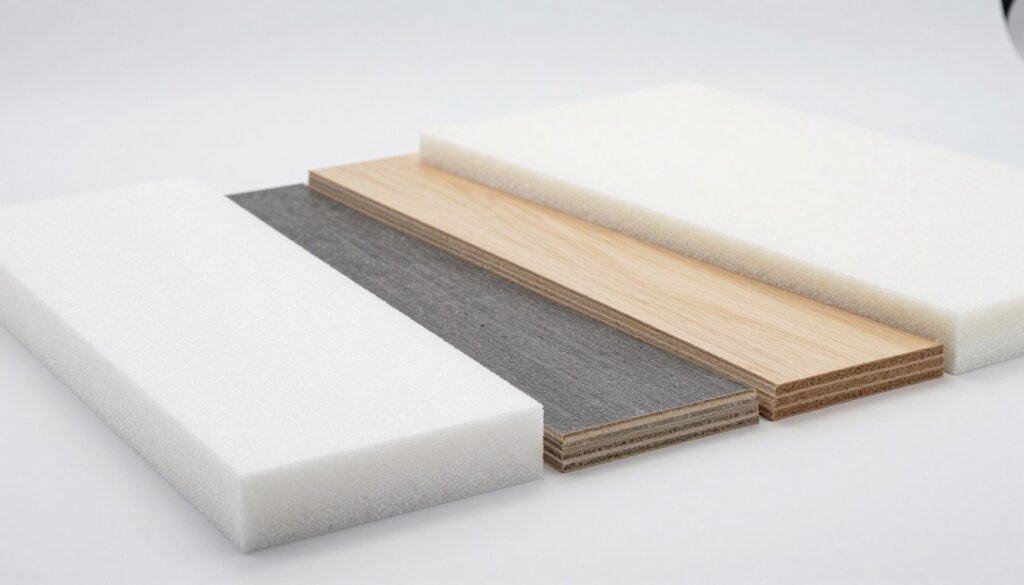
Kapa foam board is a favorite among many, but how does it stack up against Gatorboard and PVC foam? Knowing the differences can help you choose the right putukartona pielietojums for your projects.
Gatorboard vs. Kapa
Gatorboard is tough, perfect for heavy-duty tasks. Its wood-fiber face adds strength for harsh environments. But Kapa foam board has its own perks:
- Lightweight: Kapa is much lighter, making it simpler to move around.
- Smoother Surface: Kapa’s surface is smoother, great for clear prints.
- Cost-Effective: Kapa is often cheaper, fitting more budgets.
So, while Gatorboard is durable, Kapa is better for projects needing a light and smooth surface.
PVC Foam vs. Kapa
Now, let’s compare Kapa foam board to PVC foam boards like Sintra. PVC foam boards are great outdoors, standing up to moisture and weather. But Kapa has its own benefits:
- Indoor Use: Kapa is made for indoor use, ideal for displays and presentations.
- Easy to Cut: Kapa is easy to shape and cut, boosting creativity.
- Print Quality: It offers top-notch print quality for indoor graphics.
In short, Kapa is best for indoor projects, while PVC foam is better for outdoor use.
Best Practices for Handling Kapa Foam Board
To get the most out of Kapa foam board, knowing how to handle it is key. Learning these tips will help your projects look great and last long. We’ll cover the best ways to cut and store it.
Cutting Techniques
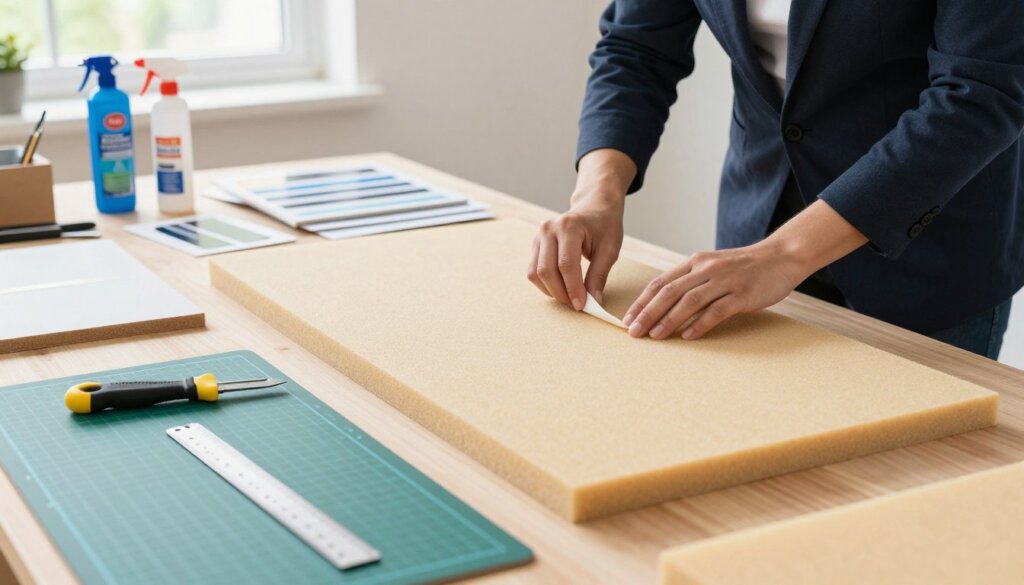
When cutting Kapa foam board, being precise is important. Here are some top tips for clean cuts:
- Use a Sharp Blade: A sharp knife is essential. A dull blade can tear the foam, ruining your work.
- Make Multiple Light Passes: Instead of pushing hard, make several light cuts. This helps avoid tears.
- Employ a Cutting Mat: Always cut on a mat to protect your surface and get clean cuts.
Storing and Transporting
Storing and moving Kapa foam board right is key to keeping it in good shape. Here are some tips:
- Store Flat: Keep your foam boards flat to stop them from warping. If space is tight, use a light weight on top.
- Protect the Edges: Use corner protectors or bubble wrap to keep corners safe when moving.
- Avoid Moisture: Store your foam in a dry place to avoid damage from moisture.
By following these putukartons lietošana best practices, your Kapa foam board will stay in top shape. It’ll be ready for your next creative project.
| Technique | Description | Benefits |
|---|---|---|
| Sharp Blade | Use a sharp knife for clean cuts. | Reduces tearing and improves edge quality. |
| Multiple Passes | Cut in several light passes instead of one heavy cut. | Minimizes the risk of damage to the foam core. |
| Flat Storage | Store boards flat to avoid warping. | Keeps boards in optimal condition for use. |
Tips for Mounting on Kapa Foam Board
Mounting your artwork on Kapa foam board is easy with the right steps. Getting a bubble-free mount is key for a pro look. Here are detailed putukartons izmantošanas instrukcijas to start.
First, let’s talk about the best adhesives. The right glue makes a big difference. Here are some top picks:
| Adhesive Type | Best For | Notes |
|---|---|---|
| Spray Mount | Large Areas | Provides an even layer, great for big projects. |
| Double-Sided Film | Permanent Mounting | Creates a smooth finish without mess. |
| PVA Glue | Strong Bond | Ideal for heavier materials, dries clear. |
| Solvent-Based Glues | Avoid | Can damage the foam board. |
Now, let’s look at different mounting ways and tools. The right method ensures your artwork looks perfect and sticks well.
- Squeegee Method: Use a squeegee to apply even pressure, pushing out any air bubbles.
- Hinge Method: This technique allows for precise alignment before fully adhering the piece.
- Roller Method: A roller can help ensure an even application of adhesive, even on big surfaces.
By following these tips and using the right adhesives, you can get a pro mount every time. Happy mounting!
Creative Projects Using Kapa Foam Board
Get creative with Kapa foam board in fun and useful projects. This versatile material lets you explore many possibilities. It’s great for decorating your home, making educational tools, or planning events.
DIY Home Decor
Make your home look amazing with DIY decor. Create cool geometric wall art for a modern look. Stylish table numbers can make dining special.
You can also make a chic headboard. It will make your bedroom cozy and personal.
Educational Projects
Teachers and parents will find Kapa foam board useful. It’s perfect for science fair displays. Students can show off their projects in a cool way.
Make 3D maps for geography lessons. They make learning fun and interactive. Durable flashcards help students study better.
Event Decorations
Party planners will love Kapa foam board for decorations. Make big photo booth props for fun. Elegant cake toppers add a personal touch.
Thematic signage helps create a special atmosphere. Your event will surely impress with Kapa foam board.
Environmental Impact of Kapa Foam Board
Exploring Kapa foam board, we must look at its environmental impact. Our world is more focused on being green than ever. Kapa foam board is light and flexible but made from plastic. This brings up big questions about how sustainable it is.
The making and throwing away of Kapa foam board harm our planet. But, some companies like 3A Composites are trying to do better. They’re working on making less waste and using greener materials.
Sustainability Issues
Plastic products like Kapa foam board are a big problem. They take a long time to break down, causing long-term pollution. We can all help by choosing products that are better for the environment. Supporting companies that care about the planet is a good start.
Recycling Options
There are ways to recycle Kapa foam board. Check with your local recycling center to see if they take it. You can also use leftover pieces for small projects or teaching. This reduces waste and encourages creativity.
In summary, Kapa foam board has its downsides but there’s hope for a greener future. By being aware and making smart choices, we can use this material without harming our planet.
Where to Buy Kapa Foam Board
Looking to buy Kapa Foam Board? This guide will help you find where to shop. Start with local stores. They have a variety of Kapa boards for you to see and touch.
Check out art supply stores, architectural model shops, and big craft stores. The staff there can help you pick the right size and thickness.
Retail Stores
Visit Michaels or Hobby Lobby for a good selection. They have sales, so you might save money. Local art stores also have Kapa boards in different sizes.
Online Retailers
Online shopping is easy and convenient. Dick Blick Art Materials and Amazon have lots of Kapa Foam Board. You can compare prices and sizes easily.
Graphic supply websites also have detailed info and reviews. With a few clicks, your Kapa Foam Board will arrive at your door.
Maintenance and Care for Kapa Foam Board
To keep your Kapa foam board creations looking great, proper care is key. A bit of effort can make a big difference. We’ll share tips on cleaning and storing your work to keep it in top shape.
Cleaning Tips
Cleaning your Kapa foam board needs to be gentle. Here are some helpful tips:
- Use a soft brush: A soft brush can gently remove dust without harming the surface.
- Damp cloth method: Use a lightly damp cloth to wipe the surface. Make sure not to soak it to avoid warping.
- Avoid harsh chemicals: Use mild soap and water only. Strong cleaners can damage the board.
Long-Term Storage Solutions
For long-term storage, it’s important to protect your Kapa foam board. Here are some smart ways to do it:
- Archival sleeves: Use archival-quality sleeves for flat items to protect them from dust and light.
- Custom boxes: Make or buy custom boxes that fit your projects. This keeps them safe from humidity and damage.
- Climate control: Store in a cool, dry place to prevent warping or damage over time.
Frequently Asked Questions About Kapa Foam Board
Wondering about Kapa foam board? Here are the answers to your most pressing queries!
Common Queries Answered
Kapa foam board is a versatile material, and many users have similar questions. For instance, you might be asking, “Can I paint directly on it?” Yes, you can! Just make sure to use acrylic paints for the best results.
Another common question is, “Is it acid-free for archival purposes?” Absolutely! Kapa foam board is acid-free, making it suitable for preserving your artwork and documents.
Many users also wonder about its durability. While Kapa foam board is lightweight, it can withstand reasonable handling. But, avoid excessive bending to maintain its integrity.
Troubleshooting Common Issues
Sometimes, you may encounter problems while working with Kapa foam board. For example, if you notice a blade dragging and leaving a ragged edge, it’s time for a new blade! Sharp tools make a significant difference in the quality of your cuts.
If your print is starting to peel at the corners, consider the adhesive you’re using. The right adhesive is key to ensuring a strong bond. Double-sided tape or spray adhesive often works best for mounting prints.
In case of warping, try storing your Kapa foam board flat in a cool, dry place. This will help maintain its shape and prevent any unwanted bends.
Conclusion: The Versatility of Kapa Foam Board
Kapa foam board is truly versatile. It’s perfect for many uses, like architectural models and art projects. Its smooth surface and rigidity make it a top choice for both pros and hobbyists.
Using Kapa foam board is a creative journey. It’s easy to use, letting anyone bring ideas to life. It’s great for presentations or DIY projects, always ready to help.
Ready to try it out? Check out local stores or online for Kapa foam board. You’ll see its quality and how it can improve your work. Start today and see your ideas come to life with Kapa foam board.

