


Ever wondered how your favorite t-shirt or mug stays bright after many washes? The secret is a cool printing method that many miss. It makes designs pop and keeps them looking great for years.
Let’s explore the world of sublimation printing! It’s a cool way to print designs on special paper. Then, this paper is transferred onto items like mugs, t-shirts, and phone cases using heat. It’s a top pick for custom sportswear, like those cool polyester shorts.
In this article, we’ll get into the details of sublimation printing. You’ll learn how it works, the science behind it, and why it’s loved by crafters and business owners. If you’re into crafting or just curious about design creation, you’re in the right spot!
Key Takeaways
- Sublimation printing uses heat to transfer designs onto special materials.
- This method is popular for creating durable, high-quality custom products.
- It’s widely used in sportswear, specially for polyester items.
- The process ensures vibrant colors that resist fading over time.
- Both hobbyists and businesses benefit from this innovative printing technique.
What is Sublimation Printing?
Sublimation printing is a cool technique that makes vibrant designs last on many materials. It uses heat to put dye right into the items, giving a smooth and lasting finish. It’s different from regular printing because it embeds the dye into the material, perfect for custom items.
The word sublimation means a solid turns into a gas without being liquid. In printing, this lets dye particles get into the material’s pores. When it cools, the dye turns solid, leaving a beautiful, lasting image.
Definition of Sublimation Printing
At its heart, sublimation printing turns solid dye into gas with heat. This gas then sticks to the fibers of polyester or coated surfaces. This means your prints stay bright and won’t fade or peel.
Brief History and Evolution
Sublimation printing started in the mid-20th century, mainly for fabrics. It grew a lot with new digital printing tech. In the 1960s, synthetic fabrics became key for sublimation, opening up more uses.
With better inkjet printers and special inks, the process got easier and faster. Now, it’s used for many things like custom clothes, gifts, and home decor.
Today, sublimation printing is a top choice for making quality, personalized items. It’s great for everything from printed clothes to beautiful ceramic tiles, opening up endless creative options.
How Does Sublimation Printing Work?
Learning about the sublimation printing process is quite interesting. It turns a digital design into a beautiful printed image through several steps. Let’s see how it happens.
The Process Explained
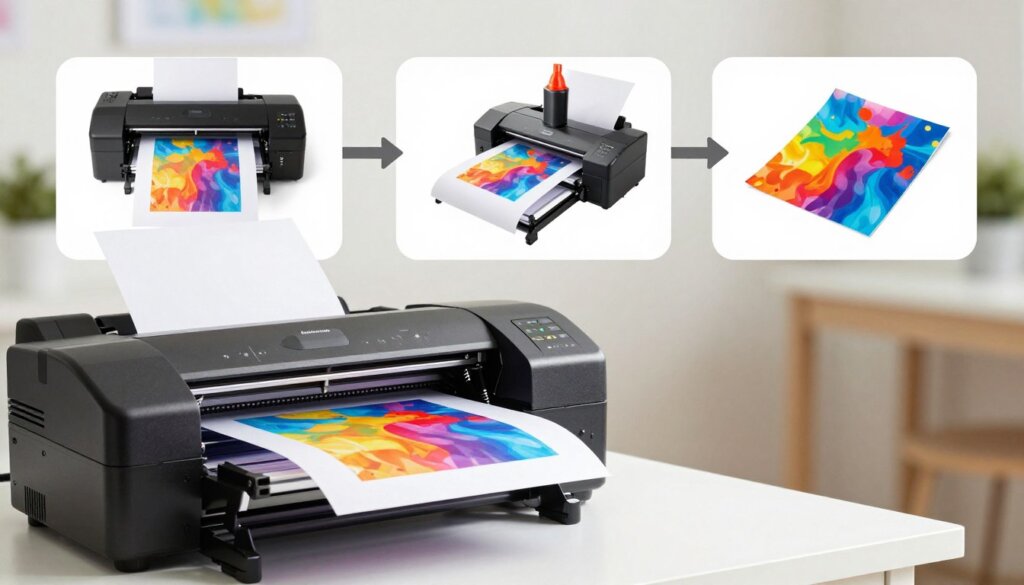
The first step is printing a digital design in reverse on special sublimation paper. This is done using water-based sublimation inks. It’s important to print it in reverse so it transfers right onto the final product.
After printing, the sublimation paper is placed on the item you want to customize, like a polyester t-shirt or a coated mug. Heat-resistant tape is used to keep the paper in place. This is key to stop the paper from moving during the heat transfer.
Then, a heat press applies high heat, about 190°C (374°F), and pressure for 30 seconds to a few minutes. The sublimation ink turns into gas and bonds with the material. This makes the design permanent and vibrant.
After the heat press cycle ends, you can remove the sublimation paper. What’s left is a bright, permanent design in the material. It shows off amazing detail and color.
Key Materials and Equipment
To get professional results in sublimation printing, you need specific materials and equipment:
| Material/Equipment | Description | Purpose |
|---|---|---|
| Sublimation Ink | Special water-based inks designed for sublimation | To print the mirrored design onto sublimation paper |
| Sublimation Paper | Transfer paper that holds the sublimation ink | To transfer the design onto the substrate |
| Heat Press | Device that applies heat and pressure | To transfer the ink from the paper to the substrate |
| Converted Inkjet Printer | Printer like an Epson EcoTank or Sawgrass model | To print the design onto sublimation paper |
These parts work together to make high-quality sublimation prints. Each one is important for a vibrant and lasting final product.
Advantages of Sublimation Printing
Sublimation printing offers many benefits that boost quality and versatility. It’s known for creating stunning visuals that really pop.
High-Quality Images
One big plus of sublimācijas drukas tehnoloģija is its ability to make high-quality images. The dye becomes part of the material, leading to photo-realistic prints. You won’t see dots or rough textures, just smooth, bright colors.
These prints are also very durable. They resist fading even after many washes. This makes sublimation great for items like sportswear, which gets a lot of use. Designs on jerseys or leggings stay sharp and vibrant.
Versatile Applications
Sublimation printing is very versatile, fitting many uses. It’s good for custom apparel and home décor items. You can personalize everything from t-shirts and caps to cushion covers and wall art.
It’s also perfect for promotional products. Keychains, coasters, and aluminum panels can all use this technology. For businesses, it means on-demand customization, less waste, and more creativity.
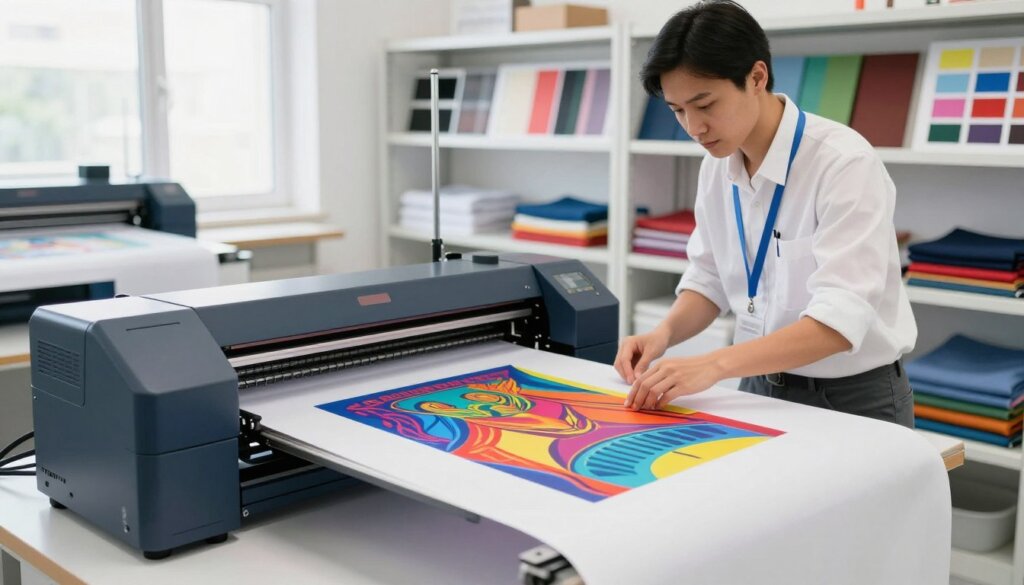
Limitations of Sublimation Printing
Sublimation printing has many benefits, but it also has some limitations. It’s important to know these to decide if it’s right for you.
Specific Material Requirements
One big limitation is that it only works on certain materials. It’s best for items with a polymer coating or made of polyester. Unfortunately, it doesn’t work on 100% cotton fabrics or dark-colored items.
If you want to print on cotton t-shirts, they must be blends with at least 50% polyester. The inks used are translucent. This means they need a white or light background to show colors well.
Cost Considerations
Another thing to think about is the cost. Getting started can cost between $300 to $800 or more. This can be a big hurdle for beginners.
The cost per print might also be higher than other methods, mainly for small orders. There’s a learning curve to master temperature, pressure, and timing. But, for those who invest, the quality and durability are worth it.
What Materials Can Be Used with Sublimation?
Choosing the right materials for sublimation printing can make your projects stand out. This method works best on specific fabrics and surfaces. These allow for vibrant and durable designs. Let’s look at the best options.
Best Fabrics for Sublimation
The key for sublimation printing is simple: it works on polyester or polymer-coated fabrics. Here are some top fabric choices:
- 100% Polyester: This fabric gives the brightest and most wash-resistant results.
- Polyester/Spandex Blends: Common in activewear, these blends also work well, though colors may be less intense.
- Polyester-Cotton Blends: While not ideal, using a sublimation coating spray can help achieve better results.
Natural fibers like cotton aren’t good for sublimation unless treated with a special coating. This can affect the print’s vibrancy and longevity.
Other Suitable Surfaces
Sublimation printing can also be applied to hard surfaces. Here are some popular ones:
| Surface Type | Examples | Notes |
|---|---|---|
| Ceramics | Mugs, Plates | Must be polymer-coated for best results. |
| Metal | Aluminum Sheets | Great for signage and promotional items. |
| Plastic | Phone Cases, Mouse Pads | Look for specially coated options. |
| Wood and Glass | Ornaments, Coasters | Should be treated for sublimation. |
Remember, the key to successful sublimation is ensuring the surface is white or light-colored. This makes colors pop and enhances the design.
“With the right blanks, your creativity is the only limit.”
The Sublimation Printing Process Step by Step
Ready to learn how sublimation printing works? We’ll go through each step. This method lets you make vibrant, lasting designs on many materials.
Design Creation
The first step is design creation. Use software like Photoshop or Canva to make your design. Make sure it’s high resolution, 300 DPI, for clear results.
Remember to mirror your design. This is key if your design has text. The text will appear reversed on the material after transfer.
Printing and Transfer
After your design is made, it’s time to print. Put your sublimation paper in a printer made for sublimation ink. Regular inkjet ink won’t work here!
The colors might seem dull on the paper. But, they’ll pop when heat is applied.
Before transferring, pre-press your substrate for a few seconds. This step removes moisture and wrinkles, making the transfer smooth.
Place the printed paper face-down on the substrate and use heat-resistant tape to hold it in place. Set your heat press to about 190°C for 40-60 seconds for fabrics.
After pressing, carefully remove the paper. You might need to peel it away while it’s hot or cold. And voila! You’ll see a beautiful, permanent design.
Applications of Sublimation Printing
Sublimation printing has changed many industries by making unique and personalized products. It brings out vibrant colors and detailed designs. This makes it a hit among businesses and crafters. It’s great for custom apparel and home decor.
Custom Apparel
Sublimation printing is amazing for custom clothes. It’s perfect for:
- All-over print t-shirts: These shirts have designs that cover the whole fabric, looking stunning.
- Performance wear: Athletes love sublimated clothes because the dye stays in the fabric. It keeps the clothes breathable and flexible.
- Leggings and jerseys: Custom designs on these items are big in sports and fitness. They let teams show off their identity.
With sublimation, you can make unique clothes or personalized gifts that really stand out.
Home Decor Items
Sublimation printing is also great for home decor. Some popular items include:
- Personalized photo pillows: These add warmth and personality to any room.
- Fleece blankets: Cozy and customized, they’re great gifts for loved ones.
- Canvas wall art: Turn your favorite photos into beautiful wall art.
- Ceramic coasters: These practical items can be customized to fit any decor style.
Looking to make your home better or create special gifts? Sublimation printing has many options for you.
Comparing Sublimation with Other Printing Methods
Sublimation printing is unique among many techniques. But how does it compare to others? We’ll look at sublimation, inkjet, and laser printing. We’ll see what makes each special and beneficial.
Inkjet vs. Sublimation
Inkjet printing, like Direct-to-Garment (DTG), puts ink directly on cotton. It’s great for small batches on natural fibers. But, the prints might feel stiff and fade quicker than sublimation.
Sublimation, though, works best on polyester. It uses special inks and materials. This results in soft, breathable prints that last longer and wash better.
Laser Printing vs. Sublimation
Laser printing uses toner that stays on the surface. It works well for paper but not for fabrics that need to be washed. Sublimation, by contrast, embeds ink into the fabric.
This makes sublimation perfect for vibrant, lasting designs. Laser printing is better for simple graphics. But sublimation shines with full-color, all-over designs that can handle heavy use.
| Feature | Inkjet Printing | Laser Printing | Sublimation Printing |
|---|---|---|---|
| Material Compatibility | Cotton and natural fibers | Paper and some synthetics | Polyester and polymer-coated surfaces |
| Durability | Moderate | Good | Excellent |
| Color Vibrancy | Good | Moderate | Outstanding |
| Washability | Fades over time | Not washable | Highly resistant |
In summary, sublimation is unmatched for bright, lasting prints on polyester. For dark cotton shirts, DTG or heat transfer vinyl might be better.
Tips for Successful Sublimation Printing
To get the best results in sublimation printing, follow these tips. First, make sure you have the right equipment. Many beginners start with an Epson EcoTank or WorkForce printer, converted to use sublimation ink. These printers are affordable and produce high-quality prints.
For serious crafters, dedicated sublimation printers like Sawgrass are a great choice. Next, mastering your heat press is key. It’s important to apply even pressure for consistent results. You can test this by placing a piece of paper on the platen and checking for even resistance.
Before pressing your items, always pre-press garments for 5–10 seconds. This step removes moisture and wrinkles, preventing ghosting. Using a protective sheet of butcher paper inside your garment can also prevent bleed-through.
Experiment with time and temperature settings. Start with the manufacturer’s recommendations and then adjust in small increments. This will help you find the perfect combination. Keep your workspace humidity-controlled to avoid color shifting. And remember, mirror your designs before printing.
With practice and attention to these tips, you’ll get better at finding the perfect press. This will make your sublimācijas druka projects stand out!
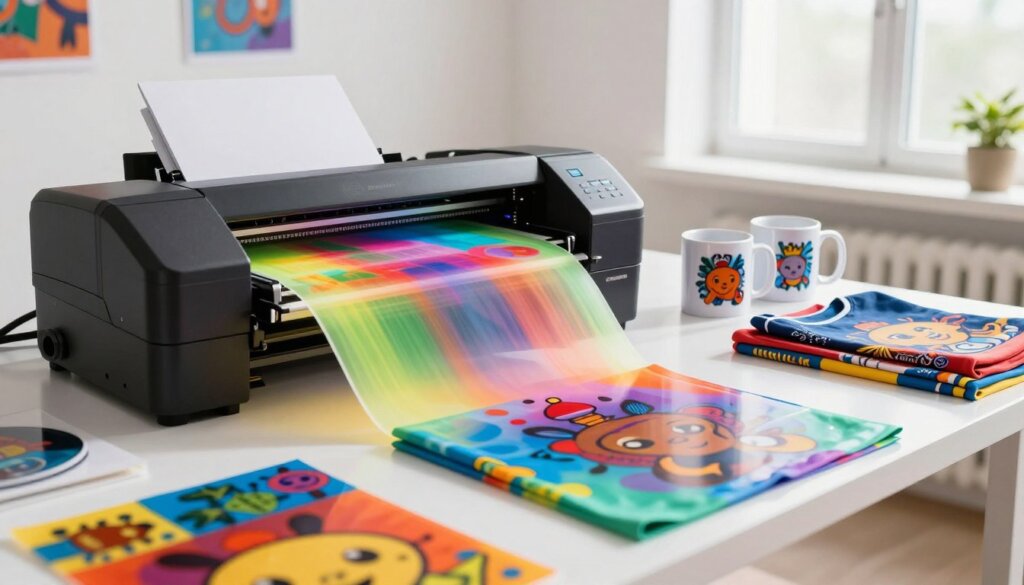
Understanding Sublimation Ink
The quality of sublimation ink greatly affects your prints’ look and durability. It’s key to pick the right ink for vibrant colors and lasting prints. There are many types of sublimation inks, each for different uses and printers.
Types of Sublimation Inks
There are two main types of sublimation inks:
- Standard Aqueous Inks: These are great for desktop printers and small projects.
- Viscous Formulations: These are for big projects and offer deeper colors, often used in commercial settings.
Some inks work on both hard and soft materials. Others are made just for certain printers, ensuring the best results.
It’s also important to think about the ink’s pigment level. More pigment means brighter colors but can clog print heads if not used often. This is true, even more so for black ink, which can be hard to get right.
How Ink Quality Affects Output
The quality of sublimation ink is key to your print’s final look. Premium inks, like those from SubliJet or InkXPro, give consistent colors and last longer. This means your prints stay bright and don’t fade easily.
On the other hand, cheaper inks might seem like a good deal but can cause problems. They might clog your printer, give off wrong colors, and not last as long. Remember, prints on paper might look dull at first but will shine after heat is applied.
To get the best results, keep your inks in a cool, dark spot. Also, shake cartridges gently before using. By doing this, you’ll improve your sublimation printing projects.
Maintenance of Sublimation Equipment
Keeping your sublimation equipment in top shape is key for great results. Regular care extends your gear’s life and makes sure your prints pop. We’ll look at how to keep your printer and heat press machines clean.
Caring for Your Printer
Your sublimation printer is the core of your printing. To keep it running well, stop ink clogs by preventing dried ink. If you don’t print every day, run a small purge print or nozzle check every few days. This keeps the ink flowing smoothly.
Also, use the printer’s cleaning utility if you see banding or missing colors. Keep your printer in a dust-free spot and avoid extreme temperatures. This helps it last longer.
Cleaning Heat Press Machines
Heat presses need regular care to stay efficient. Start by wiping the platen with a lint-free cloth and mild cleaner to remove residue or ink. This ensures your transfers look professional.
Don’t overlook the pressure adjustment mechanism. Springs can weaken over time, causing uneven transfers. Regularly check the temperature with an infrared thermometer to match the dial’s setting. This detail ensures consistent results.
By adding these simple maintenance steps to your routine, you’ll extend your equipment’s life and avoid misprints. A bit of care makes a big difference!
Future Trends in Sublimation Printing
The future of sublimation printing is exciting. New advancements are coming that will improve both quality and speed. These changes will make sublimation printing even better.
3D sublimation is a big innovation. It uses special presses to wrap designs around curved objects. Now, things like bottles and phone cases can have cool designs, opening up new creative options.
Automation is also improving sublimation printing. Small businesses can get semi-automatic presses that speed up production. This makes it easier to keep up with demand without losing quality.
The industry is also getting greener. Makers are making inks that are better for the environment and using recycled packaging. This is because people want to buy things that are good for the planet.
Waterless printing and energy-saving presses are becoming more common. These changes help the environment and save money for businesses. Upcycling old clothes is also becoming popular, thanks to sublimation.
As technology gets cheaper and easier to use, we’ll see more creative uses. This includes fashion, home decor, and personalized gifts. The future of sublācijas drukas tehnoloģija is bright, with lots of new possibilities.
| Trend | Description | Impact |
|---|---|---|
| 3D Sublimation | Vacuum heat presses for curved objects | Increased customization options |
| Automation | Semi-automatic presses for efficiency | Faster production speeds |
| Sustainability | Eco-friendly inks and packaging | Reduced environmental impact |
| Upcycling | Transforming old garments | Promotes sustainable fashion |
Getting Started with Sublimation Printing
Ready to start with sublimācijas druka? It’s easier than you think. You’ll need a converted Epson EcoTank printer, which costs about $200 to $300. A good heat press is also essential, starting at $150 for a basic model.
Don’t forget sublimation ink, priced between $30 and $60 per set. Sublimation paper costs around $20. With a few blanks like t-shirts, mugs, and coasters, your total will be about $400 to $600.
Start small to save money. Try making mugs first. This helps you learn about pressure and timing. YouTube channels like Angie Holden and Silhouette School have great tutorials.
Joining Facebook groups for sublimation can also help. Every mistake is a chance to learn. Soon, you’ll make amazing products that wow everyone.

