







Have you ever wondered how some materials can withstand the elements while remaining incredibly lightweight? Welcome to the fascinating world of polypropylene printing, where innovation meets practicality. These remarkable sheets are transforming industries by combining strength with moisture resistance.
In this article, we will explore the advantages of using polypropylene sheets for various applications. They are perfect for durable signage and reusable packaging. Their corrugated structure offers exceptional durability without being heavy. This makes them great for outdoor use, even in wet environments.
Join us as we dive into the many benefits of these versatile sheets. Whether you’re in advertising, logistics, or construction, you’ll see why businesses are switching to this innovative solution. Let’s explore the secrets behind polypropylene printing together!
Key Takeaways
- Polypropylene sheets are lightweight yet strong, making them ideal for various applications.
- They are fully resistant to water and moisture, perfect for outdoor signage.
- These sheets are reusable and recyclable, contributing to eco-friendly practices.
- Their corrugated structure ensures durability without adding weight.
- Industries such as advertising and logistics benefit significantly from their use.
What Is Polypropylene Printing?
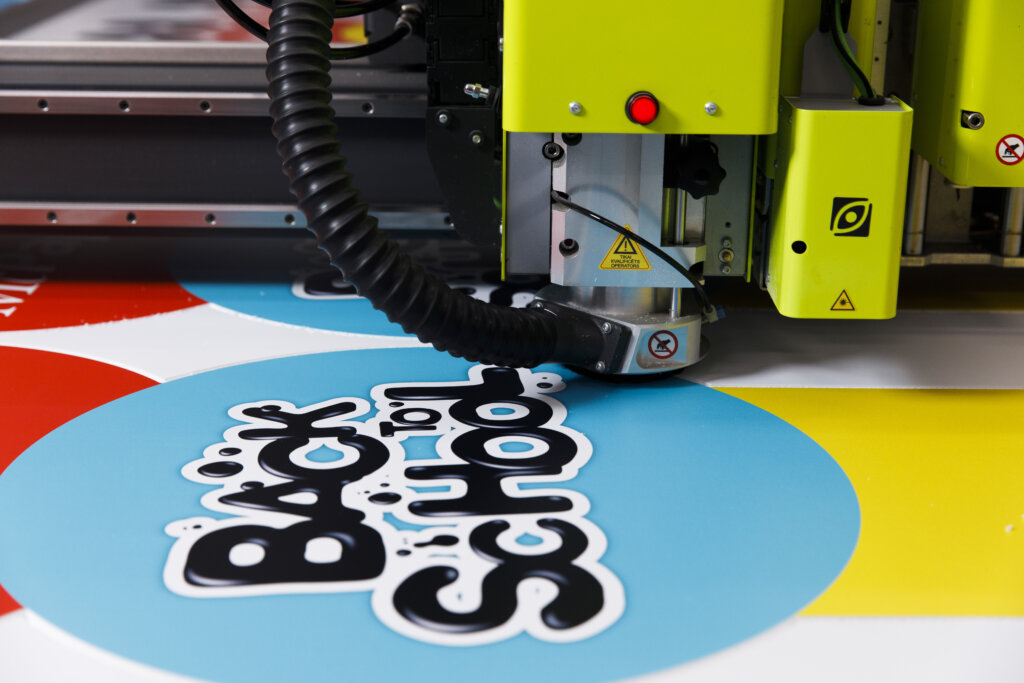
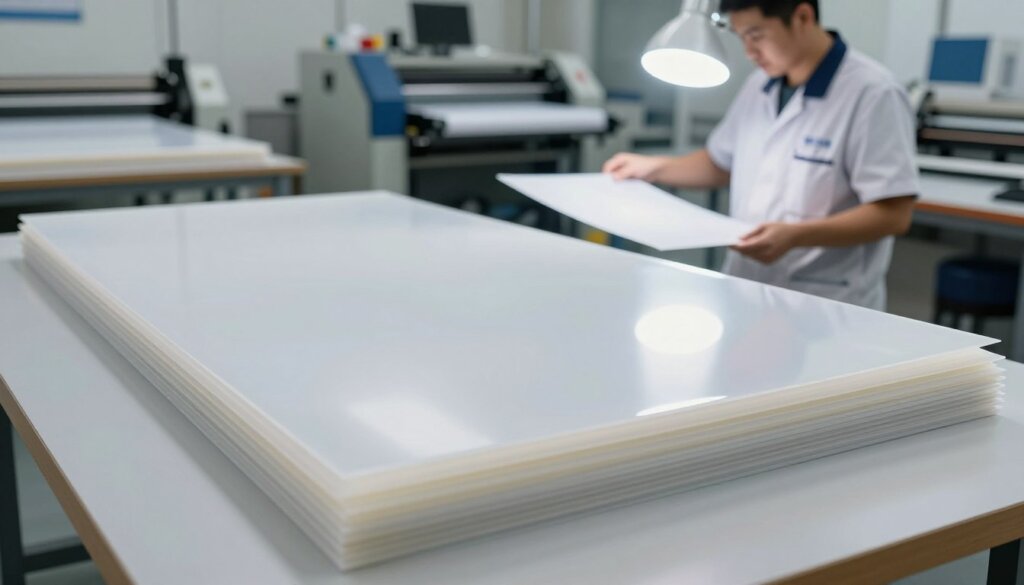
Polypropylene printing is a mix of toughness and creativity. It’s a favorite for many. This method adds graphics, text, or logos to vieglas plāksnes, which are both light and strong. These sheets are made from a special plastic that resists moisture and is impact-resistant.
The sheets have a special design. They have two flat sides and a middle layer that’s ribbed. This makes them both rigid and flexible, perfect for many uses. The printing methods, like screen printing and UV digital printing, make the images bright and last long.
Definition and Overview
Polypropylene printing is a special way to put high-quality images on sheets of polypropylene. These sheets are used in many places, like yard signs and packaging dividers. Because they’re so durable, they can handle different weather conditions without getting damaged.
Benefits of Using Polypropylene
- Water-Resistant: Polypropylene doesn’t soak up water, making it great for outside use.
- Lightweight: These sheets are easy to move and ship, saving on costs.
- Reusable: Many polypropylene items can be used over and over again, which is good for the environment.
Common Applications
Polypropylene printing is used in many fields. Here are some examples:
| Application | Description | Industry |
|---|---|---|
| Retail Signage | Durable signs that can handle outdoor weather. | Retail |
| Agricultural Produce Bins | Containers that are moisture-resistant and can be reused. | Agriculture |
| Political Campaign Signs | Light and easy to put up, ideal for campaigns. | Politics |
The Advantages of Lightweight Polypropylene Sheets
In today’s fast world, lightweight polypropylene sheets are a big win for transport and use. They have a great strength-to-weight ratio. This makes them simple to lift and move, key for businesses needing to work fast.
One big plus is how easy they are to handle and transport. You’ll feel how light they are when you pick one up. Yet, they stay strong and don’t tear easily. Their hollow-core construction also means they can handle a lot of pressure. This makes them great for packaging, signs, and protection.
They’re also light, which means shipping costs go down. Companies can send more stuff without hitting weight limits, saving on shipping. Workers can move big stacks of sheets easily, boosting work speed at events or in warehouses.
Plus, they’re cost-effective. They last longer than cardboard, so you don’t have to replace them as often. Their moisture-resistant nature keeps them in good shape, even in bad weather.
Lastly, their versatility in use is amazing. They can be signs, bins, dividers, or protective layers. Used everywhere from construction sites to farmers markets, they’re a dependable choice for many industries.
Understanding Moisture Resistance
Moisture resistance is key to what makes polypropylene stand out. It’s perfect for places where water is a big issue. Let’s explore why polipropilēna materiāls is great at fighting moisture.
What Makes Polypropylene Moisture-Resistant?
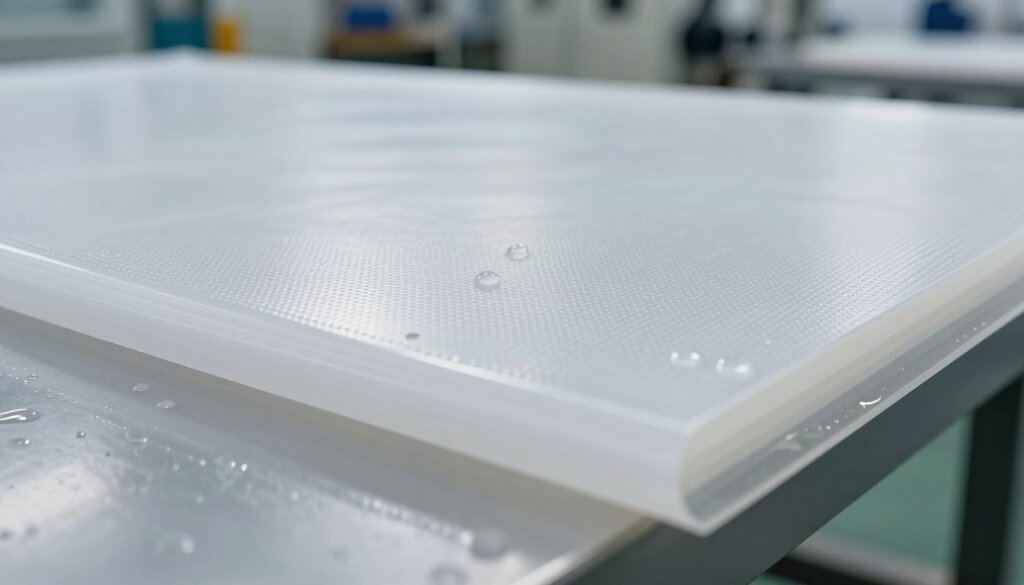
Polypropylene is hydrophobic, which means it pushes water away. Unlike paper, it doesn’t soak up moisture and stay strong. It doesn’t change shape or size when wet.
This is super helpful in places where water is always around. For example, in cold chain logistics, polypropylene bins keep goods safe. Cardboard boxes, on the other hand, get soggy and useless.
Comparison to Other Materials
Polypropylene beats other materials in many ways. Metal rusts in water, and treated wood swells and rots. But polypropylene stays light and safe.
Here’s a quick comparison:
- Polypropylene: Hydrophobic, does not rust or rot.
- Metal: Prone to rusting in wet conditions.
- Treated Wood: Can swell and degrade over time.
Applications That Benefit from Moisture Resistance
Many fields use polypropylene because it resists moisture well. Seafood shipping uses it to keep food fresh. Nursery plant trays also benefit, keeping young plants safe.
Other notable uses include:
- Outdoor menu boards that withstand rain.
- Reusable packaging for frozen goods.
- Marine storage solutions that remain effective in damp conditions.
Choosing polipropilēna materiāls means you get a reliable product. Its special properties improve performance and product life in many industries.
Eco-Friendly Aspects of Polypropylene Printing
In today’s world, polypropylene printing is key to sustainability. It’s a new way to make plāksnes izgatavošana that’s good for the planet. It meets the need for eco-friendly practices.
Polypropylene stands out because it’s recyclable. These sheets are made from 100% recyclable material. When they’re done, they can be turned into new things. This cuts down on plastic waste and keeps landfills clean.
Also, making polypropylene sheets is getting greener. Companies use recycled materials and cut down on waste. This helps the planet and saves money for businesses.
Polypropylene products are also reusable. For example, one box can replace many cardboard ones. This saves trees and reduces waste, helping companies meet green goals.
Using UV-curable inks instead of old methods also helps. It lowers harmful chemicals in the air. So, choosing polypropylene means you get a strong product and help the environment.
By using polypropylene printing, companies can lessen their impact on the planet. It’s good for the environment and for business.
Customization Options with Polypropylene
Polypropylene offers endless customization options. It can be tailored to fit various needs through different printing methods, sizes, and designs.
Printing Techniques Available
Polypropylene sheets can be printed in several ways. Screen printing is great for bold graphics and large orders. UV digital printing creates stunning, photo-quality images fast. For packaging, flexography is a top choice for quick, high-quality prints.
Size and Thickness Variations
Customization also includes size and thickness options. Sheets range from 2 mm to 10 mm or more. You can pick thin sheets for signs, medium for packaging, or thick for industrial use.
Color and Design Flexibility
Polypropylene comes in more than basic colors. Suppliers offer a wide range of colors, and custom matching is available. Sheets can be cut into shapes, folded for displays, or have holes for hanging.
Need event signs or thousands of branded totes? Drukas pakalpojumi offers tailored solutions. Polypropylene’s smooth surface ensures top-notch print quality for clear messages.
Comparing Polypropylene to Other Materials
Polypropylene has big advantages over metal and cardboard. It’s durable and cost-effective, making it great for many uses. This is true in industries that need strong and affordable materials.
Plastic vs. Metal: A Practical Guide
Polypropylene is lighter than metal, making it easier to move around. It also doesn’t rust or corrode, even with harsh chemicals. This chemical resistance is a big plus in places where acids and solvents are common.
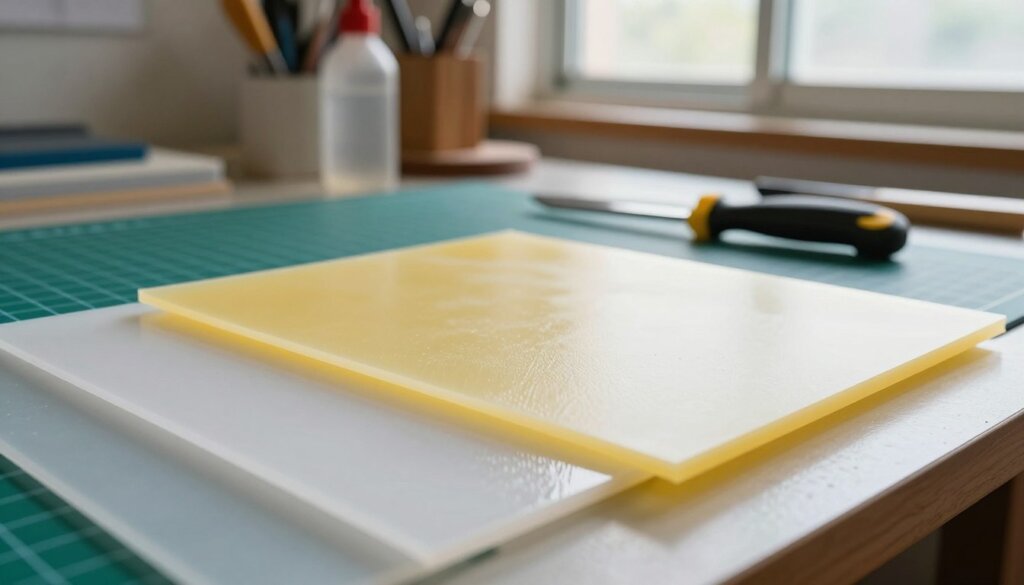
Polypropylene is also cheaper than metal. Its fluted core makes it impact-resistant, keeping it safe during rough handling. This is a big advantage over metal.
Benefits Over Cardboard and Paper
Polypropylene beats cardboard and paper in many ways. It’s waterproof, so it won’t fall apart when wet. Cardboard boxes can’t handle damp environments well.
Polypropylene can be reused many times, cutting down on waste and costs. It’s durable, lasting hundreds of uses. This is a big plus over cardboard, which often needs to be replaced often.
Durability Factors
Polypropylene’s high impact resistance means it can handle rough handling well. It’s also safe around oils and cleaning solutions because it’s chemically inert. This is a big plus over cardboard and some metals.
UV stability is another key factor. Polypropylene can resist sunlight damage when treated. This makes it perfect for outdoor use, lasting longer than cardboard or untreated materials.
| Material | Weight | Rust Resistance | Water Resistance | Reuse Cycles |
|---|---|---|---|---|
| Polypropylene | Lightweight | No | Yes | Hundreds |
| Metal | Heavy | Yes | No | Limited |
| Cardboard | Lightweight | No | No | One-time |
Industries That Benefit from Polypropylene Printing
Many industries use polypropylene printing for its efficiency and branding. It’s not just a trend; it’s essential for its durability and versatility. Let’s see how different sectors use polypropylene printing to improve their work.
Advertising and Marketing
In advertising and marketing, polypropylene printing is key. Companies make durable yard signs, trade show displays, and more. These items stay strong outside and keep your message clear and strong.
Packaging and Shipping
For packaging and shipping, polypropylene is a must. Custom-printed totes and dividers keep parts in order and safe. They also show off the company’s brand.
Construction and Signage
The construction world also benefits from polypropylene printing. It’s used for:
- Site safety warnings
- Temporary floor protection
- Reusable concrete form liners
These uses show how polypropylene boosts safety and work efficiency on construction sites.
Agriculture
In farming, printed polypropylene crates mark where produce comes from. They’re tough against washing and moisture. This keeps quality high and meets safety rules.
| Industry | Applications | Benefits |
|---|---|---|
| Advertising | Yard signs, displays | Durability, weather resistance |
| Packaging | Totes, dividers | Brand visibility, damage reduction |
| Construction | Safety signs, floor protection | Efficiency, safety enhancement |
| Agriculture | Crates, trays | Moisture resistance, quality maintenance |
Any ražošanas uzņēmums that cares about efficiency and branding should use polypropylene printing. It’s a great mix of durable goods and promotional tools, making it a top pick for many industries.
Maintenance and Care for Polypropylene Sheets
To keep your polypropylene sheets in top shape, follow these maintenance tips. Taking care of your polypropylene prints is straightforward. This enhances their overall value. Regular cleaning keeps them looking good and working well.
Cleaning Methods
Polypropylene sheets are easy to clean because they don’t absorb water. This makes maintenance quick. For routine cleaning, just wipe them down with a damp cloth and mild soap.
For tougher grime, a diluted all-purpose cleaner works well. It won’t harm the print. You can even hose them off outdoors because stains don’t soak in.
Best Practices for Longevity
To make your polypropylene sheets last longer, avoid high heat. High heat can warp them. Don’t leave sheets in a hot car or near a heater.
Extreme temperatures can soften the plastic. Polypropylene sheets are durable. They can handle frequent handling and washing well.
Storage Recommendations
When storing polypropylene sheets, keep them flat with even support. This prevents warping. Or, you can store them upright in a rack.
If stacking printed sheets, put a soft interleaf between them. This protects the graphics. With a little care, your polypropylene signs and containers will stay sharp and reliable for years.
| Care Aspect | Recommended Action | Notes |
|---|---|---|
| Cleaning | Wipe with damp cloth | Use mild soap or diluted cleaner |
| Heat Exposure | Avoid high temperatures | Can cause warping |
| Storage | Store flat or upright | Use interleaf for stacked sheets |
Innovations in Polypropylene Printing Technology
The world of polypropylene printing is changing fast. New tech makes these materials better and more useful. We’re seeing better printing methods and new tools, making the future exciting.
Advances in Printing Techniques
High-speed UV flatbed printers are a big step forward. They print directly on lightweight sheets, creating amazing designs that last. The ink used is special, making prints scratch-resistant without extra steps.
New Equipment and Tools
Now, we can print on thicker polypropylene sheets. We also have hybrid sheets for special needs, like electronics and public areas. These changes meet safety standards and open new doors.
Future Trends
The future is green. We’ll see more eco-friendly inks and digital printing that saves on waste. Plus, we’ll have interactive prints with NFC tags and QR codes.
“These innovations mean that lightweight sheets are no longer just simple signs—they’re becoming high-tech communication platforms that are tough enough for the real world.”
| Innovation | Description | Benefits |
|---|---|---|
| High-Speed UV Printers | Direct printing on lightweight sheets | Faster production, reduced costs |
| Hybrid Sheets | Sheets with anti-static and flame retardant properties | Enhanced safety for specific applications |
| Eco-Friendly Inks | Water-based inks for sustainable printing | Reduced environmental impact |
| Interactive Features | NFC tags and QR codes embedded in prints | Engagement and interactivity in marketing |
Cost Considerations for Polypropylene Sheets
It’s important to know the costs of polypropylene sheets for any project. Prices can change based on thickness, size, how many you buy, and the printing details. For example, a basic 4mm white sheet might cost a few dollars. But, a custom shape with full-color UV printing will cost more.
Don’t let the initial cost scare you. These mitrumizturīgas sheets are a smart investment. They last longer than cardboard, which is only good for one event. In packaging, one polypropylene tote can replace many disposable boxes, saving you money over time.
Factors Influencing Pricing
Several things affect the price of polypropylene sheets. The thickness and size matter a lot, with thicker sheets costing more. Also, buying in bulk can lower the price per sheet. This makes it cheaper in the long run.
Budgeting for Your Project
When planning your budget, think about the total cost. This includes the initial price and other benefits like less damage to products. Plus, you won’t need to laminate them to protect against moisture. This shows how polypropylene sheets can save you money.
Value for Money Analysis
Buying polypropylene sheets is like investing in something durable, not something you use once. For projects needing long-lasting and weather-resistant materials, polypropylene is a better choice. It offers a value that paper and some plastics can’t match.
Finding Trusted Suppliers for Polypropylene Printing
Choosing the right supplier for your polypropylene printing needs is key to success. The quality of your final product depends on your supplier’s expertise and reliability. It’s important to know what to look for in a partner for your polypropylene projects.
What to Look For in a Supplier
When searching for a supplier, consider these key factors:
- Experience with Polypropylene: Choose suppliers who specialize in polypropylene. Their knowledge can greatly affect your print quality.
- In-House Printing Capabilities: Suppliers with in-house printing offer better quality control and faster service.
- Quality Certifications: Look for suppliers with relevant certifications. This shows their commitment to quality.
- Sample Availability: A good supplier should provide samples of their work. This helps you see their capabilities.
Questions to Ask Before Committing
Before choosing a supplier, ask these important questions:
- Can you provide a sample of previous work?
- What file formats do you accept for printing?
- Do you offer UV-resistant inks for outdoor use?
- What are your minimum order quantities and lead times?
- Do you provide design assistance if needed?
Recommended Suppliers in the U.S.
In the United States, several reputable suppliers specialize in polypropylene printing:
| Supplier Name | Specialization | Location |
|---|---|---|
| Coroplast | Major brand in corrugated plastic | Various locations |
| Piedmont Plastics | Plastic distribution and fabrication | Nationwide |
| Local Converters | Signage and packaging | Regional |
Finding a dependable supplier for your polypropylene projects is essential for great results. A good supplier will help you choose the right material. They ensure your printed sheets arrive on time and look great.
Case Studies: Successful Polypropylene Projects
Case studies show how polypropylene is used in different ways. They highlight its versatility and effectiveness. These examples show how businesses use polypropylene for marketing, packaging, and event signs.
Marketing Campaigns Using Polypropylene
A big beverage company switched to polypropylene six-pack carriers for outdoor events. These carriers were strong against rain and mud, saving money. They were also light, making them easy to carry and hand out.
Unique Packaging Solutions
An electronics company used anti-static polypropylene dividers with part numbers printed on them. This helped organize parts and reduce mistakes. The plāksnes izgatavošana process allowed for custom designs, showing the material’s flexibility.
Event Signage Examples
At a music festival, signs were made from UV-printed polypropylene sheets. These signs stayed bright even when wet, making them good for future events. The material was made to last outside, proving it’s more than just a sign.
These projects show how polypropylene can improve both looks and function in many areas. By using the right ways to make it, businesses can get the most out of this versatile material.
Tips for Design and Artwork for Polypropylene
Great design is key for polypropylene printing. A good design grabs attention and clearly shares your message. Here are some tips for designing artwork for polypropylene.
Design Software Suggestions
Picking the right software is important for quality prints. Vector-based programs keep your design sharp at any size. Here are some top choices:
- Adobe Illustrator – A pro choice with lots of features.
- CorelDRAW – Easy to use and powerful.
- Inkscape – A free option with great vector editing.
Best Practices for Color and Typography
Colors are vital in your design’s impact. Use CMYK for polypropylene to get accurate colors. Bright colors pop well on the white surface. Here are some typography tips:
- Choose bold, simple fonts for easy reading.
- Outline your text to avoid printing issues.
- Make sure fonts are big enough to see.
Preparing Files for Printing
Getting your files ready is essential for the best results. Follow these steps:
- Save your files as high-resolution PDFs with layers flattened.
- If your design has a background color that goes to the edge, add a 0.25-inch bleed to avoid white lines after cutting.
- Ask for a proof from your printing service to check color accuracy before the full run.
“A little prep on your end ensures that the final product looks exactly as you envisioned, with all the durability and vibrancy that polypropylene can deliver.”
By following these tips, you can make stunning designs. These designs will look great and last long. Remember, great design is the base of effective drukas pakalpojumi in polypropylene printing.
Why Choose Polypropylene for Your Next Project?
Choosing the right material is key to a project’s success. Polypropylene is a top choice because of its many benefits. Let’s look at why it’s a great pick for your project.
Summary of Key Benefits
Polypropylene has many advantages that make it perfect for many uses. Here are its main benefits:
| Benefit | Description |
|---|---|
| Ultra-Lightweight | Easy to transport and handle, reducing shipping costs. |
| Waterproof | Resistant to moisture, making it suitable for various environments. |
| High Durability | Withstands impacts and harsh conditions, ensuring longevity. |
| Eco-Friendly | Recyclable and reusable, contributing to sustainability efforts. |
| Cost-Effective | Provides long-term savings through durability and reusability. |
Making an Informed Decision
Think about polypropylene’s long-term benefits when choosing materials. It’s durable and has great chemical resistance and insulation. These qualities make it great for many uses, from packaging to signage.
User Testimonials and Feedback
Don’t just believe us. A logistics manager from a Midwest distribution center said,
“Switching to polypropylene totes cut our packaging waste by 70% and paid for themselves in six months.”
Also, a small business owner mentioned,
“My outdoor signs look new after two years in the Florida sun.”
These stories show how polypropylene works well in real life.
In conclusion, polypropylene offers long-term savings, great performance, and environmental benefits. It’s more than just a material; it’s a smart choice for any project needing durability and quality.
Conclusion: Embracing Polypropylene Printing
Polypropylene printing is becoming more important as industries grow. It’s known for being light, resistant to moisture, and strong. Companies are using it for packaging, signs, and displays because it’s so versatile.
The future of polypropylene looks bright. New printing tech and a focus on being green will bring new ideas. Imagine products in recyclable, branded packaging that can handle tough environments. This is happening now.
Consider using polypropylene for your next project. Contact a reliable ražošanas uzņēmums, ask for samples, and see how it can boost your brand. Polypropylene’s benefits are clear, and it’s time to use it to your advantage.

