


Ever wondered why business signs look so sharp and last long? It’s often because of Dibond. This material is a mix of aluminum and plastic, making it strong yet light. It’s a top pick for sign makers in the U.S.
We’ll explore Dibond’s special design that makes it strong and good-looking. You’ll see why it’s great for signs inside and outside. As we dive deeper, you’ll see how Dibond combines beauty with function.
By the end, you’ll see why Dibond is more than just a sign. It’s a smart choice that makes a big impact on your audience.
Key Takeaways
- Dibond is a lightweight yet durable aluminum composite panel.
- It features a unique sandwich-like construction for added strength.
- This material is suitable for both indoor and outdoor signage.
- Dibond combines aesthetic appeal with practical performance.
- Investing in Dibond signage can leave a lasting impression.
Understanding Dibond Material
Dibond is more than just a material; it’s a composite with amazing benefits for signs. It’s made of two thin aluminum sheets and a solid polyethylene core. This combination makes it strong yet light.
To understand Dibond better, let’s look at its main parts and features.
What is Dibond Made Of?
Dibond is built for durability. Its outer layers are aluminum, giving it a strong, protective surface. The core is polyethylene, adding rigidity while keeping it light. This mix makes Dibond panels strong and easy to handle.
Attributes of Dibond
Dibond panels have some great features:
- Flatness: Its surface is very flat, perfect for high-quality printing.
- Impact Resistance: It’s sturdy, so it can handle physical impacts without damage.
- Smooth Surface: The smooth finish improves print quality, showing off vibrant colors and sharp details.
Common Uses of Dibond
Dibond is very versatile and is used in many ways. Here are some common uses:
| Application | Description | Benefits |
|---|---|---|
| Storefront Signs | Used for eye-catching displays in retail environments. | Durable and weather-resistant. |
| Exhibition Booths | Ideal for creating attractive and professional exhibition displays. | Lightweight and easy to transport. |
| Interior Wall Cladding | Enhances the aesthetic appeal of interior spaces. | Available in various textures and finishes. |
| Directional Signage | Effective for guiding visitors in public spaces. | Highly visible and customizable. |
| Art Installations | Used by artists for creative projects. | Offers a modern look with diverse design options. |
Benefits of Using Dibond for Signage
Why is Dibond becoming a favorite in the signage world? Let’s explore its benefits. Companies in many fields are finding out why Dibond is a top pick for signs.
Durability and Longevity
Dibond’s dibond priekšrocības include its lasting durability. It’s made to last, keeping your signs looking great for years. It doesn’t warp, rust, or fall apart like other materials can.
This makes it great for both inside and outside use.
Lightweight and Easy to Handle
Dibond is also very light. This makes it easy to install, saving time and money. You can put signs in spots that are hard for heavy materials.
This makes setting up signs faster and opens up more creative places for them.
Resistance to Weather Conditions
Dibond is also a winner against the weather. It can handle rain, snow, sun, and salt air. Your signs will always look professional, no matter the weather.
Choosing Dibond means your signs will last longer. It’s a wise choice for businesses wanting to get the most from their signs.
Characteristics That Make Dibond Stand Out
Dibond is more than just a sign material. It has unique features that set it apart. Its exceptional print quality and striking look make it a top pick for signs. Let’s explore what makes Dibond stand out.
High-Quality Printability
Dibond’s smooth surface is perfect for high-quality printability. Your graphics will look crisp and vibrant. Modern inks bond well with Dibond, keeping colors true and images clear. Experts say Dibond brings designs to life.
Visual Appeal and Color Retention
Dibond looks great, whether you choose glossy, matte, or metallic finishes. It offers a premium look that grabs attention. Plus, it keeps colors bright over time, keeping your brand looking fresh.
Non-Fading UV Protection
Dibond’s non-fading UV protection is a big plus. It’s perfect for outdoor signs, where sunlight can fade colors. Dibond signs stay vibrant, even after years of sunlight.
In short, Dibond shines with its top-notch print quality, stunning looks, and strong UV protection. These features boost your signs’ beauty and last long, making Dibond a smart choice for businesses.
Comparisons: Dibond vs. Other Materials
Choosing the right material for signage is key. We’ll compare Dibond with PVC, foam board, and solid aluminum. Each has its own strengths and weaknesses. By the end, you’ll see why Dibond is often the best choice.
Dibond vs. PVC
PVC is cheap but has big downsides. It warps and fades, costing more in the long run. Dibond is durable and cost-effective, perfect for both inside and outside use.
Dibond is weather-resistant and looks great. It’s perfect for dibond sienas paneļi in modern designs.
Dibond vs. Foam Board
Foam board is light and easy to move. But it’s not durable for long-term use. It’s best for short-term indoor displays.
Dibond is stronger and lasts longer. It’s a bit heavier but more durable. It’s better for signs that need to last.
Dibond vs. Aluminum
Aluminum is strong and lasts a long time. But it’s expensive and heavy. Dibond is lighter, cheaper, and just as durable.
In summary, Dibond beats aluminum in many ways. It’s lighter, cheaper, and more weather-resistant. Dibond is a versatile and stylish choice.
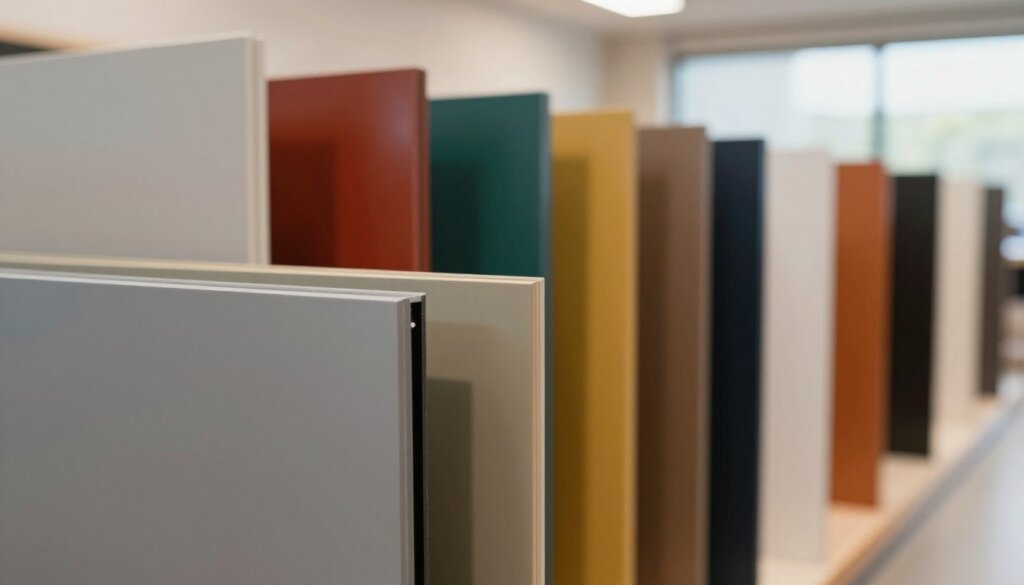
The Sign-Specific Advantages of Dibond
Dibond is a top pick for signage because of its unique benefits. It works great both inside and outside, helping businesses stand out.
Ideal for Outdoor Applications
Dibond is perfect for signs that need to face the elements. Its core stays stable in all temperatures, and the aluminum skin fights off moisture and rust. This keeps your signs looking good, no matter the weather.
Perfect for Indoor Displays
Indoors, Dibond is light and easy to hang in creative ways. Its smooth surface is great for clear graphics, making your brand pop. It’s ideal for lobby displays or retail signs.
Versatility in Sign Design
Dibond is super flexible. You can shape it, bend it, or use it as a base for signs. This lets businesses make signs that match their brand perfectly.
Using Dibond, businesses can make signs that look good and work well. It’s a smart choice for any space, from stores to offices.
Customization Options with Dibond
Your signage can reflect your business’s unique spirit. Dibond offers many customization options. You can choose from stunning visuals or detailed designs to match your brand.
We’ll look at how to customize your Dibond signage. This includes printing methods, shapes, sizes, and finishes. These options help you get the exact look you want.
Printing Techniques for Dibond
Dibond signage uses advanced printing techniques. Here are some popular ones:
- Direct UV Printing: It creates vivid, photo-realistic images.
- Screen Printing: Great for bold, solid colors that grab attention.
- Digital Printing: It’s versatile and perfect for quick changes and small runs.
Shapes and Sizes Available
Dibond offers flexibility in shapes and sizes. Here are some options:
- Standard Sheet Sizes: Easy to choose from common dimensions.
- Custom Dimensions: Dibond can be cut to any size you need.
- CNC Routing: It allows for detailed designs, like logos and letters.
Finishing Options for the Perfect Look
Finishing touches can make your Dibond signage stand out. Here are some options:
- Rounded Corners: Gives a polished look by softening the edges.
- Stand-Off Mounts: Adds depth and makes your sign visually appealing.
- Surface Finishes: Choose from matte, gloss, or textured laminates. You can also get finishes that look like wood, metal, or stone.
With so many dibond dizains (Dibond designs) to choose from, your creativity is the only limit. Whether you prefer a rustic wood-grain texture or a sleek mirror finish, Dibond can make your sign uniquely yours.
Installation and Maintenance of Dibond Signs
Installing and maintaining Dibond signs is easy. Whether you own a business or love DIY projects, Dibond’s light weight makes it simple. We’ll look at some easy ways to set up your signs. This way, they’ll stay looking good and working well for a long time.
Easy Installation Techniques
There are several ways to install your Dibond sign. Here are some common methods:
- Screw Mounts: This method is secure and great for heavy signs.
- Stand-offs: These give a modern look and make signs seem to float.
- Adhesive Systems: These are perfect for quick setups, as they don’t need drilling.
Each method is easy to follow, letting you pick the best one for your needs. Whether you’re putting a sign on a wall or hanging it from the ceiling, these methods make it simple.
Cleaning and Care for Durability
Keeping your Dibond signs clean is easy. Just a quick wipe with mild soap and water usually works. Here are some tips to keep your signs looking great:
- Avoid abrasive cleaners: They can scratch the surface.
- Use soft cloths: Microfiber cloths are great for cleaning without damage.
- Store properly: If you need to take down your sign, keep it safe to avoid scratches.
By following these simple care tips, your signs will stay bright and effective.
Reusability and Retrofitting Options
Dibond signs are great because they can be reused. If you need to change your branding or move, you can often update your signs. This saves money and reduces waste. Here are some options:
- Vinyl wraps: These can be applied over old graphics for a new look.
- Magnetic overlays: Ideal for temporary changes without permanent damage.
- Custom printing: This lets you completely redesign your signs while keeping the same material.
With these options, your Dibond signs can change with your needs while staying durable and attractive.
Cost-Effectiveness of Dibond for Signage
Choosing the right signage materials can affect your budget. Dibond might seem pricey at first, but its long-term benefits are worth it. The dibond cena is higher than PVC or foam board, but it’s a better deal in the long run.
Understanding Dibond’s financial side helps you make smart choices. Here are some key points to think about:
Initial Investment and Budget Considerations
When planning for a Dibond sign, several things matter:
- Size: Bigger signs cost more but are more visible.
- Printing Complexity: Complex designs can raise printing costs.
- Mounting Hardware: Don’t forget to include costs for installation materials.
Long-Term Return on Investment
Dibond is durable, lasting over 10 years without fading or warping. This means you won’t need to replace your signs often, saving money over time.
Also, Dibond is easy to maintain. It withstands weather, keeping your investment looking good without needing frequent repairs or replacements.
Comparing Costs Across Sign Materials
To see why Dibond is a good choice, let’s compare it with other materials:
| Material | Initial Cost | Longevity | Maintenance |
|---|---|---|---|
| Dibond | Higher | 10+ years | Low |
| PVC | Lower | 3-5 years | Medium |
| Foam Board | Lowest | 1-2 years | High |
The table shows Dibond’s higher initial cost, but its long life and low upkeep make it a better deal for permanent signs. Businesses looking for quality without spending too much will find Dibond a great choice.

Environmental Considerations
Choosing eco-friendly materials for signage shows we care about our planet. Dibond, a composite material, has many sustainable features. It’s a great choice for businesses that want to be green.
Sustainable Aspects of Dibond
Dibond is made of aluminum layers that can be fully recycled. Many makers are making the polyethylene core more recyclable. By picking Dibond, you support quality signage and eco-friendly actions.
Recycling Options for Used Dibond Signs
Responsible recycling is key when getting rid of old Dibond signs. Many suppliers have take-back programs. These programs let you recycle your signs, helping the environment.
Eco-Friendly Printing Methods
The way signs are printed also affects the environment. Using UV-curable inks cuts down on harmful emissions and energy use. Working with printers who focus on green practices means your signs are good for the planet.
“It is recommended to choose recyclable or recycled materials, digitalize signage, and select manufacturers who care for the environment.”
| Aspect | Description | Benefits |
|---|---|---|
| Recyclability | Aluminum layers can be fully recycled. | Reduces landfill waste. |
| Take-Back Programs | Suppliers offer programs to return used signs. | Encourages responsible disposal. |
| Eco-Friendly Inks | UV-curable inks emit fewer VOCs. | Lower environmental impact during printing. |
Case Studies in Dibond Signage
Looking at case studies shows how Dibond changes signage for businesses and artists. This part shares real examples of Dibond signage success in different fields.
Successful Business Implementations
A local coffee shop used a bright Dibond sign to get more people to notice it. This sign drew in more customers and made the place feel inviting. Thanks to the sign, the coffee shop’s sales went up a lot, showing how good signage can really help.
Artistic Applications in Public Spaces
Dibond is great for art because it’s strong and can hold prints well. For example, a public art piece used Dibond panels to make amazing visuals. The material’s toughness kept the art looking great, showing Dibond’s value in creative projects.
Event Signage Success Stories
Event planners love Dibond for its professional look and durability. It’s used for everything from trade show booths to outdoor banners. At one event, Dibond signs helped draw in more people, showing its power in lively settings.
Finding the Right Supplier for Dibond
Choosing the right supplier for your Dibond signage is key to your project’s success. Not all Dibond is the same. It’s important to find a reliable source for quality signage materials. Here’s how to find a trustworthy supplier that meets your needs.
Evaluating Quality of Dibond Products
Start by checking the quality of the Dibond products from suppliers. Look for:
- Consistent Thickness: Make sure the panels are the same thickness everywhere.
- Smooth Finish: A smooth surface is needed for top-notch printing.
- Proper Adhesion: The layers should stick well together to avoid coming apart.
Checking Customer Reviews
Customer reviews are a great way to choose a supplier. Look for feedback that shows:
- Precision: Clients often say good things about suppliers who get the details right.
- Professionalism: Good suppliers communicate well and meet deadlines.
- Overall Satisfaction: Positive reviews can show a supplier’s reliability.
Ensuring Competitive Pricing
While it’s good to find a deal, don’t compromise on quality. Ask suppliers about:
- Material Certifications: Make sure the materials meet industry standards.
- Printing Capabilities: Ask about their technology and printing methods.
- Turnaround Times: Check if they can meet your deadline.
| Supplier Criteria | Importance | Questions to Ask |
|---|---|---|
| Quality of Products | High | What certifications do your products have? |
| Customer Feedback | Medium | Can you provide references from previous clients? |
| Pricing | High | How do you ensure competitive pricing? |
By carefully looking at these factors, you can find a supplier that gets your vision and delivers quality Dibond signage on time.
Trends in Signage with Dibond
The signage industry is changing fast, and Dibond is at the forefront. Businesses now see the value of good signage. It’s not just for info, but also to attract customers. This section looks at the latest trends in Dibond signage, showing its versatility and modern uses.
Innovative Design Trends
Layered dimensional signs are a big hit. They add depth and interest, making signs pop. Mixing Dibond with wood or acrylic is also popular. This mix adds a unique look to signs, fitting modern tastes.
Minimalist typography is another trend. Simple, bold fonts are clear and effective. They’re great for businesses wanting to make a strong impression without being too much.
Technology Integration in Signage
Technology is changing signage too. Imagine Dibond signs with LED lights, shining bright in any light. Adding QR codes or NFC chips lets customers access digital content easily. These smart features boost engagement and share valuable info.
Marketing and Branding with Dibond
Dibond’s color accuracy is a big plus for marketing. It helps keep brands consistent everywhere. Using Dibond for both outside and inside signs creates a unified look.
Here are tips for using Dibond in marketing:
- Choose bright colors that match your brand.
- Add interactive parts to engage people.
- Place your signs where they’re seen the most.
| Trend | Description | Benefits |
|---|---|---|
| Layered Dimensional Signs | Signs with depth created by layering materials. | Enhanced visual appeal and attention-grabbing. |
| Mixed-Material Combinations | Combining Dibond with wood or acrylic. | Unique aesthetics that stand out. |
| Minimalist Typography | Simple, bold fonts for clear messaging. | Improved readability and strong impact. |
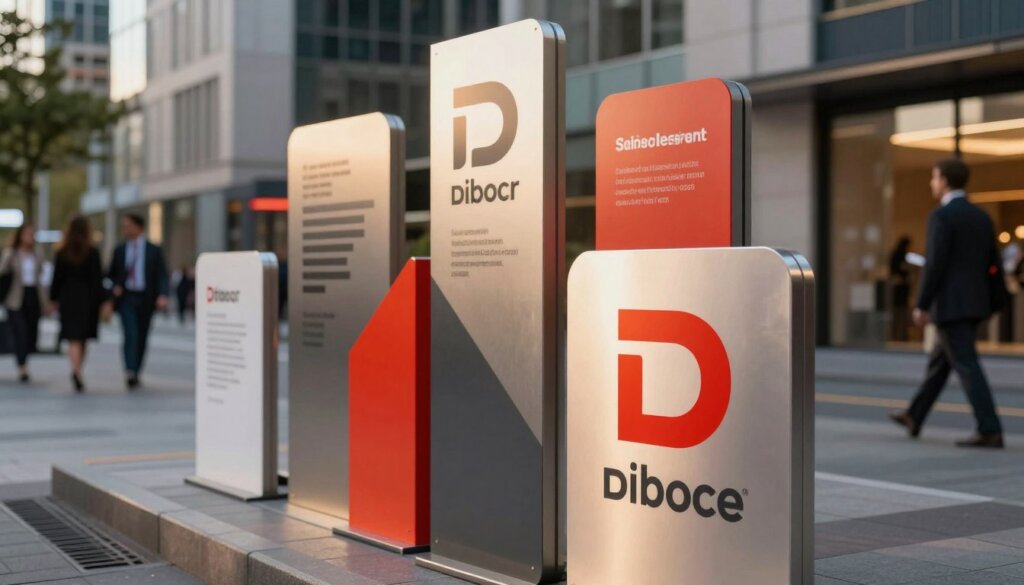
Local Regulations Impacting Signage Choices
Navigating local regulations is key when planning your Dibond signage. Before you start, it’s vital to know the permit process. In the U.S., zoning laws, size limits, and rules for historical areas can affect your plans. Understanding these rules helps you avoid fines and sign removals.
Getting the right permits for your Dibond signs means working with local authorities. It’s smart to learn what your area needs. Many cities have online tools or offices for this info.
Permits Required for Dibond Signs
Permits are usually needed for any sign project. The permit type depends on the sign’s size, location, and purpose. For example, commercial signs might need more rules than residential ones. Always check with your local government to follow the rules.
Importance of Compliance with Local Codes
Following local codes is a must. These rules keep everyone safe and the area looking good. Breaking them can cost you a lot and make your sign go away. Following these rules helps you avoid fines and makes your community better.
Effects of Local Aesthetics on Signage Design
Local looks matter a lot for your Dibond sign. In coastal towns, certain colors or materials are preferred. Downtown areas might have specific design and size rules. Thinking about these can make your sign look good and follow the rules.
In short, planning is essential. Knowing local rules and tastes lets you make a Dibond sign that’s both legal and attractive. It will also get your message across well.
Troubleshooting Common Issues with Dibond Signs
Dibond signs are tough, but they can wear out over time. You might see small scratches, dents, or edges coming loose. But, there are ways to fix these problems.
Addressing Wear and Tear
Keep an eye on your Dibond signs to catch issues early. For small scratches, use touch-up paint that matches the sign’s color. This simple fix can make your sign look new again.
Edge delamination? Use a good edge sealant to keep moisture out. This step can really help your sign last longer.
Repair Options Available
For bigger problems, like deep scratches or structural issues, you might need to repair or replace your sign. Re-skinning can give your sign a fresh look without replacing it. Patching is another option for smaller damage.
If the damage is too much, getting help from a pro might be the best choice. They can give you the right advice and make sure repairs are done right.
When to Replace Your Sign
Knowing when to replace your Dibond sign is important. Look out for severe fading, major damage, or if your business needs a new look. A new sign can make your business look better and show off your brand.
By following these tips, you can keep your Dibond signs looking great for longer. And you’ll know when it’s time for a new one.
Future of Dibond in the Signage Industry
Dibond’s role in signage is about to change a lot. New technologies and green practices will lead the way. We’re looking at a future where signage is more than just static displays.
Printable electronics are on the rise. This tech could turn signs into interactive displays. Imagine a Dibond sign that changes when you look at it. It’s a whole new level of engagement.
We also see advanced coatings coming our way. These will make signs self-cleaning or even change colors. It’s a win-win for both looks and function, making signs more versatile everywhere.
Hyper-personalization is another trend that will hit Dibond. Businesses will make signs that really speak to their audience. It’s a smart way to make branding more impactful.
And let’s not forget about going green. We’ll see fully recyclable panels and bio-based cores. It’s a big step towards making signage more eco-friendly. Choosing Dibond means you’re not just promoting your brand, but also the planet.
In short, Dibond’s future in signage is bright. By using new tech and caring for the environment, businesses can stay ahead. This forward-thinking approach will keep them engaging their audience for years.
Conclusion: Why Choose Dibond for Your Signage Needs?
Choosing the right material for your signage is key. Dibond is a top choice because it’s both durable and light. This makes it easy to handle and set up, which is why many prefer it.
Dibond’s print quality is top-notch, grabbing people’s attention and boosting your brand. It lasts a long time, saving you money in the long run.
Dibond works great for both outdoor and indoor signs. It’s time to upgrade your signs. Contact a reliable supplier, ask for a sample, and create a sign that shows off your brand. With Dibond, you’re making a wise choice for lasting impressions.

