


Ever wondered how bright graphics end up on metal? It’s a mix of art and tech, turning simple materials into eye-catching displays.
Welcome to our guide on printing on metal and aluminum! If you’re a business owner, designer, or just curious, you’re in the right spot.
This article will show you the world of metal printing. We’ll cover the basics, the latest trends, and how to pick the best service for your project.
By the end, you’ll know how to choose the right option for your next project. So, grab a coffee and let’s explore the world of metal and aluminum printing together.
Key Takeaways
- Metal printing offers vibrant, long-lasting graphics.
- Aluminum is the easiest metal to print on.
- UV printing cures ink instantly, making it more durable.
- Ideal for outdoor signs and industrial labeling.
- Choosing the right service can maximize your project’s success.
What is Metal and Aluminum Printing?
Metal and aluminum printing is where tech meets art. It’s a way to put designs, text, or images right on metal. This makes for eye-catching visuals that last and look great.
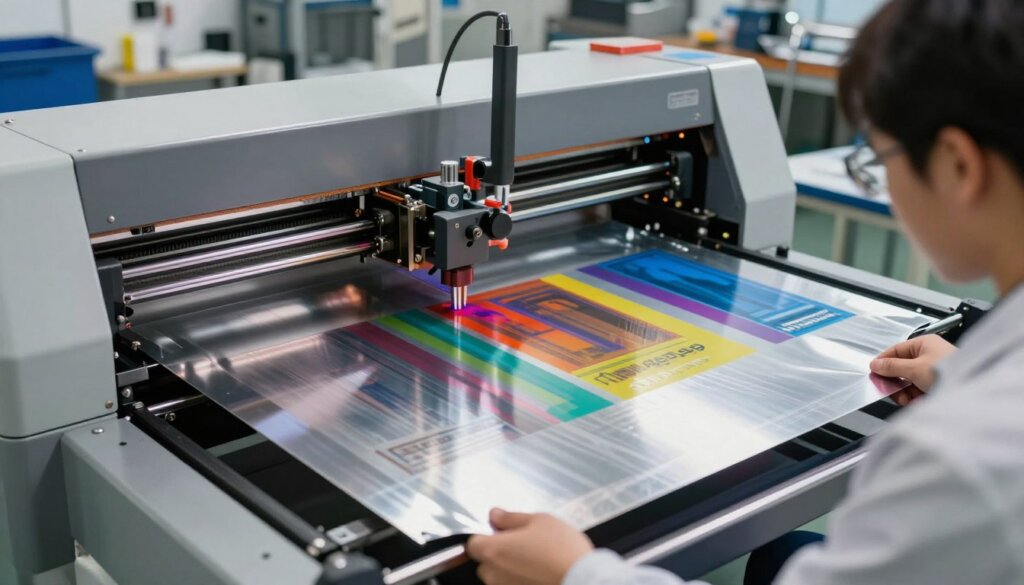
UV printing is a key method in this field. It uses special inks that dry fast under UV light. This creates a strong, scratch-resistant layer that sticks well to the metal.
Definition and Overview
Printing on metal means putting graphics directly on metal. It’s different from old methods like screen printing or engraving. UV printing is quick and can do full-color prints.
UV printing doesn’t need drying time and won’t smear. It’s great for metal parts that are hard, sensitive to heat, or need precision. It starts with a white base and then adds CMYK colors, making a hard, cured shell.
Historical Context and Evolution
Old ways to decorate metal were slow and hard. But, digital UV printing has changed the game. It makes production faster and lets you customize more.
With better tech, metal printing is now easier to get into. It’s opened up new chances for short runs, personalization, and many industries. Today, it’s not just for function but also for creativity in design and art.
| Printing Method | Setup Time | Color Options | Durability | Cost Efficiency |
|---|---|---|---|---|
| Screen Printing | High | Limited | Moderate | Less Efficient |
| Engraving | High | Limited | High | Less Efficient |
| UV Printing | Low | Unlimited | Very High | Highly Efficient |
“The future of printing on metal lies in the blend of technology and creativity, making it more accessible and versatile than ever before.”
Why Choose Metal and Aluminum for Printing?
Metal and aluminum are top picks for printing. They bring durability and beauty to your prints. Let’s dive into why they’re so great.
Durability and Longevity
Metal and aluminum are tough. They don’t fade or break down like paper or plastic. UV ink creates a strong, waterproof layer that lasts.
UV-printed metal lasts a long time, both inside and outside. It stays bright and strong, perfect for signs and displays.
Aesthetic Appeal
Metal and aluminum look amazing. They add a sleek, modern touch to any design. Their shine and texture make graphics pop.
Whether it’s a simple logo or a colorful photo, metal makes it stand out. It’s a top choice for artists and businesses.
| Material | Durability | Aesthetic Appeal | Longevity |
|---|---|---|---|
| Metal | High | Sleek and Modern | Years Indoors/Outdoors |
| Aluminum | Very High | Industrial and Chic | Extended Lifespan |
| Paper | Low | Varied | Short-term |
| Plastic | Medium | Flexible | Moderate |
Common Printing Techniques for Metal and Aluminum
Different printing techniques for metal and aluminum meet various needs and designs. Each method has its own strengths. It’s important to pick the right one for your project. Here are three popular techniques:
Screen Printing
Screen printing is a classic method known for its bold designs. It pushes ink through a mesh screen onto the metal. This technique is great for large runs of simple graphics, as it offers vibrant colors and durability.
But, it requires separate screens for each color. This makes it less cost-effective for smaller projects.
Digital Printing
Digital printing has changed how we print on metal. It uses UV inkjet technology to print directly from a digital file. It can handle full-color gradients and detailed designs with ease.
One of the key advantages of digital printing is that it cures instantly under UV light. This eliminates smudging and waiting times. It’s perfect for personalized items and small runs.
UV Printing
UV printing is a specific type of digital printing that cures ink directly on the metal. It’s faster than traditional methods and works on both coated and uncoated metals. This technique produces sharper and crisper details, making it a popular choice for signage and labels.
While sublimation offers a smooth, embedded look, it is limited to pre-coated blanks. It may also fade faster than UV ink.
| Technique | Best For | Advantages | Limitations |
|---|---|---|---|
| Screen Printing | Large runs, bold designs | Vibrant colors, durable | Not cost-effective for small runs |
| Digital Printing | Personalized items, small runs | Full-color gradients, no waiting time | Limited to certain materials |
| UV Printing | Signage, labels | Sharp details, fast curing | Requires pre-coated surfaces for some applications |
Applications of Metal and Aluminum Printing
Metal and aluminum printing are used in many ways every day. They are versatile, making them perfect for different uses. This makes them great for both looks and function.
Signage Solutions
Metal printing is great for signs. It works for outdoor signs and indoor directions. Metal signs stay bright and clear for years, which is good for businesses.
Product Labeling
Metal printing is also good for labels. It’s durable for tags on machines or labels on high-end products. These labels look good and share important info.
Decorative Items
Metal printing is also for making things special. It’s used for custom trophies, unique drinkware, and even metal business cards. Metal engraving makes these items really stand out.
| Application | Description | Benefits |
|---|---|---|
| Signage | Durable and weatherproof signs for businesses | Long-lasting, vibrant displays |
| Product Labeling | Labels for machinery and consumer goods | Durable, sophisticated appearance |
| Decorative Items | Custom trophies and personalized gifts | Unique, eye-catching designs |
Benefits of Printing on Metal and Aluminum
Printing on metal and aluminum brings many benefits. These materials make your projects look better and last longer. They are durable and versatile, making them a top choice for many.
Enhanced Visual Appeal
One big plus is the enhanced visual appeal. Using a white ink base layer makes colors pop, even on dark or shiny surfaces. This makes your graphics look sharp and professional, grabbing everyone’s attention.
Resistance to Environmental Factors
Another great point is the resistance to environmental factors. UV printing creates a strong, waterproof layer that sticks well to metal. This means your prints stay looking good, even when exposed to sun, rain, or changing temperatures.
Versatility in Design
Lastly, metal marking is super versatile in design. You can print detailed patterns, photos, barcodes, and even unique serial numbers on the same item. This flexibility is perfect for all sorts of projects, from custom prototypes to big production runs.
In short, printing on metal and aluminum boosts your designs’ look and durability. It’s great for fighting off the elements and meeting different design needs. Metal marking is a top pick for many industries because of these reasons.
Industries That Benefit from Metal and Aluminum Printing
Metal and aluminum printing is key in many fields. It’s strong, precise, and looks great. Let’s see how three main areas use these benefits.
Automotive Sector
In cars, metal printing makes labels and nameplates last. They must handle heat, oil, and shakes. Here are some uses:
- VIN tags
- Engine badges
- Custom trim elements
These parts share vital info and boost the car’s look.
Aerospace Industry
The space world needs light and rust-proof stuff. Aluminum printing helps with:
- Part identification
- Safety compliance
- Parts tracking
It’s reliable and doesn’t weigh down planes, perfect for many parts.
Retail and Branding
For shops and brands, metal printing makes fancy packaging and ads. Aluminum’s luxury feel is unmatched. Here’s where it shines:
- Luxury packaging
- Business cards
- Point-of-sale displays
Design Considerations for Metal and Aluminum Prints
Designing for metal and aluminum prints requires careful thought. Knowing how colors and finishes affect the final look is key. This can greatly improve the quality and beauty of your prints.
Color Choices and Their Impact
Choosing colors for metal prints is very important. Metal surfaces reflect light, changing how colors look. For example, a red on bare aluminum might seem darker and more metallic than on a white background.
To get vibrant colors, use a white ink base layer. This layer helps colors on top look true to their intended shades. Without it, your reds might seem dull, and blues could lose their brightness.
For a unique metallic look, try leaving some areas bare and use transparent inks. This can create a chrome-like effect that makes your design pop.
Surface Finishes and Textures
Surface finishes are critical in printing. Coated or anodized aluminum is usually ready for printing with little prep. But raw stainless steel or brass might need a primer or flame treatment for ink to stick well.
Before starting, test the surface energy with dyne pens. A reading of 40–45 mN/m is needed for safe printing. This test helps ensure your aluminum marking sticks well, whether it’s a logo, serial number, or design.
In short, careful planning in your design can lead to amazing results. By choosing colors wisely and considering surface finishes, you can make metal and aluminum prints that grab attention.
Choosing the Right Material: Metal vs. Aluminum
When picking materials for printing, metal and aluminum are key choices. Knowing the weight, cost, and performance differences is vital. This helps you make the right choice for your project.
Weight and Handling
Aluminum is super lightweight, making it easy to handle and ship. This can cut down on costs for installation and shipping. In contrast, metals like stainless steel are heavier. This might make handling and installation harder.
Cost Considerations
Cost is a big factor. Aluminum is usually cheaper than stainless steel or brass, which is great for big projects. Its affordability makes it a top pick for many, including beginners.
Performance in Various Environments
Aluminum stands out for its performance. It naturally fights off corrosion, perfect for outdoor signs and marine uses. Stainless steel, though, is stronger and can handle heat better. This is great for industrial settings or parts that face heavy wear.
In short, aluminum is a versatile and affordable choice for many projects. For specific needs, other metals might be better. But for most printing jobs, aluminum is the ideal choice.
How to Maintain Metal and Aluminum Prints
Keeping your metal and aluminum prints looking great is easy. Just follow a few simple tips to keep them looking vibrant for years.
Cleaning Recommendations
Regular cleaning is key to keeping your prints beautiful. The ink used in these prints creates a strong, waterproof layer. This layer keeps dust and dirt away. Here are some cleaning tips:
- Use a soft cloth with mild soap and water.
- Stay away from harsh cleaners or scrubbers that can damage the surface.
- For prints that get a lot of use or are outside, consider a protective coating.
Indoor prints usually need little care. Just dust them now and then to keep them looking good.
Protective Coatings
Adding a clear protective layer can make your prints last longer. This layer helps protect against scratches and UV damage. It’s great for:
- Prints that need frequent cleaning.
- Items that are outside and face harsh weather.
Protective coatings keep your metal prints looking sharp and bright. They’re perfect for any display, whether it’s in a gallery or a busy office.
| Maintenance Task | Frequency | Recommended Method |
|---|---|---|
| Dusting | Weekly | Soft cloth |
| Deep Cleaning | Monthly | Mild soap and water |
| Protective Coating Application | As needed | During production |
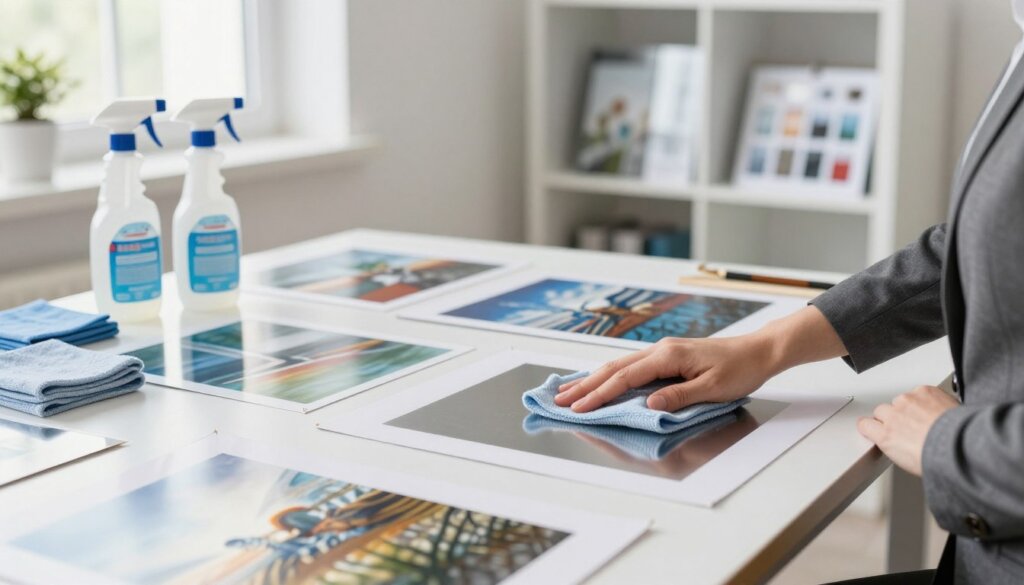
With a little care, your metal prints will stay vibrant and sharp for years. They can be displayed in a lobby or on a factory floor. For more on our privacy policy, visit our privacy policy.
Innovations in Metal and Aluminum Printing
Exciting advancements are changing the world of metal and aluminum printing. These new developments make the process more efficient and eco-friendly.
Emerging Technologies
UV-LED curing is a big leap forward. It replaces old mercury lamps with a greener option. This tech uses less energy and doesn’t heat up materials too much.
Digital printing is also making waves. It lets businesses print only what they need, cutting down on waste. This approach is great for the environment.
Rotary attachments are another game-changer. They let printers decorate curved objects like cups and cans. This opens up new creative possibilities.
Sustainable Practices
Aluminum is a star when it comes to recycling. The UV inks used today are also better for the planet. They have fewer harmful chemicals.
These advancements in metal and aluminum printing are more than just tech. They’re steps towards a more sustainable and efficient industry.
| Innovation | Benefit | Environmental Impact |
|---|---|---|
| UV-LED Curing | Energy-efficient and low heat generation | Reduces energy consumption |
| Digital Printing | On-demand production | Minimizes waste |
| Rotary Attachments | Ability to print on curved surfaces | Encourages product diversity |
| Low VOC Inks | Safer for users and the environment | Less harmful emissions |
How to Select a Printing Service
Finding a reliable printing partner is key to your project’s success. When looking for a service for metal and aluminum, consider a few important factors. This will help you get the best results.
Key Factors to Consider
First, find a service that knows how to work with metal substrates. Not all printers can handle these materials well. It’s important to choose someone with experience.
Next, ask about their printing technology. UV flatbed printers are great for printing directly on metal. They ensure your prints look good and stick well.
Surface preparation is also key. A good provider will clean and prepare the metal. This makes sure your print lasts longer.
Also, ask for quality control test results. Look for tests like cross-hatch adhesion and MEK rub tests. These show how well the print will hold up.
Color accuracy is important too. If you need a specific Pantone color, ask about their Delta E tolerance. A lower tolerance means better color matching.
Lastly, ask for a sample. Seeing your print on the actual metal helps you know what to expect. A trustworthy service will be happy to help you through this.
Questions to Ask Your Provider
- What surface preparation do you perform?
- Can you provide adhesion test results?
- What is your typical turnaround for a sample?
- Do you offer a protective overcoat?
- Can you match a specific Pantone color, and what Delta E tolerance do you guarantee?
“The right printing partner can elevate your project to new heights.”
Cost Factors in Metal and Aluminum Printing
It’s important to know the costs of metal and aluminum printing to plan your budget well. This section will look at different pricing models and budgeting strategies for small and big projects. Knowing these details helps you make choices that fit your budget.
Pricing Models
Metal and aluminum printing usually uses a per-piece pricing model. This model is great for small orders or prototypes because it often has no setup fees. For example, printing 100 aluminum cans might cost between $2.00 and $5.00 per can.
But, as you order more, the cost per unit goes down a lot:
| Quantity | Cost per Unit |
|---|---|
| 100 units | $2.00 – $5.00 |
| 1,000 units | $0.80 – $1.50 |
| 10,000 units | $0.25 – $0.50 |
The point where digital and offset printing are the same cost is between 15,000 and 50,000 units. For 1,000 cans, the costs are split like this:
| Cost Element | Percentage of Total Cost |
|---|---|
| Blank Can | 30% – 40% |
| Digital Printing | 35% – 45% |
| Coating and Finishing | 10% – 15% |
| Labor and Inspection | 5% – 10% |
| Packaging and Handling | 5% – 10% |
Budgeting for Smaller vs. Larger Projects
When planning your budget, remember that the cost of the blank metal is usually the biggest expense. Then, there are printing costs and protective coatings. For small projects, digital printing’s flexibility is often worth the higher cost per unit.
For big projects, offset printing might be a better choice. But for most, digital printing is the best mix of quality, speed, and price. Understanding these costs helps you make smart choices for your project’s success.
Future Trends in Metal and Aluminum Printing
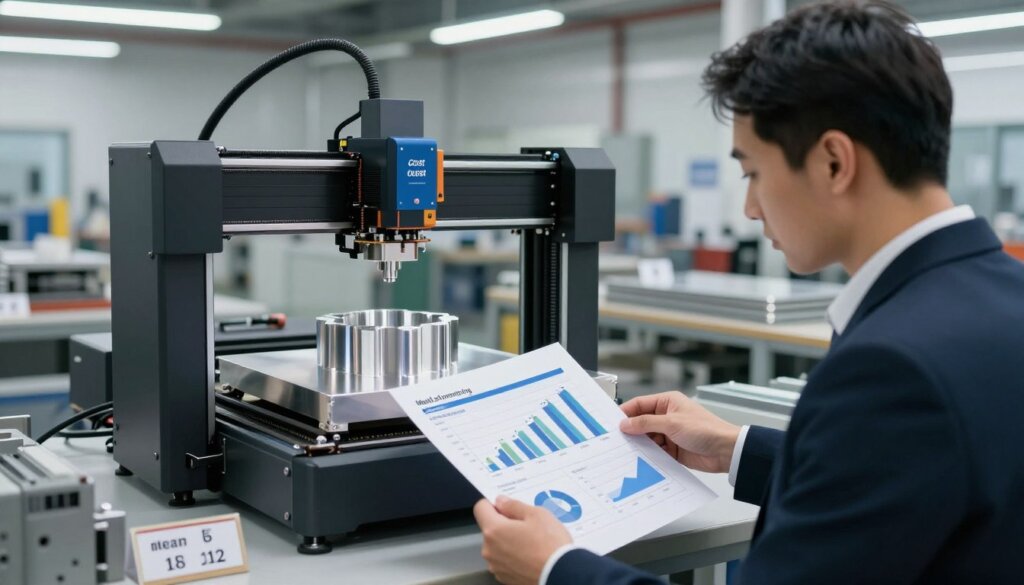
The future of metal and aluminum printing is full of exciting changes. As more industries turn to on-demand solutions, the digital metal printing market will grow a lot. This growth shows a bigger trend towards making things custom and personal.
New uses are coming that will change how we use products. Think about drink cans with NFC tags that link to loyalty programs. Soon, industrial parts might have QR codes for quick access to maintenance info. These changes will make things better for users and make processes smoother.
Technically, ink chemistry is getting better at sticking to metals like titanium and copper. This means more materials can be printed well. UV-LED curing tech is also getting better, helping with these advancements.
Sustainability is a big deal in this field too. More companies are choosing recyclable aluminum and eco-friendly inks. This meets the growing demand for green practices. As these trends come together, metal printing will become a key tool for many.
In short, the world of metal and aluminum printing is changing fast. With new uses and a focus on being green, the future looks bright for this field.

